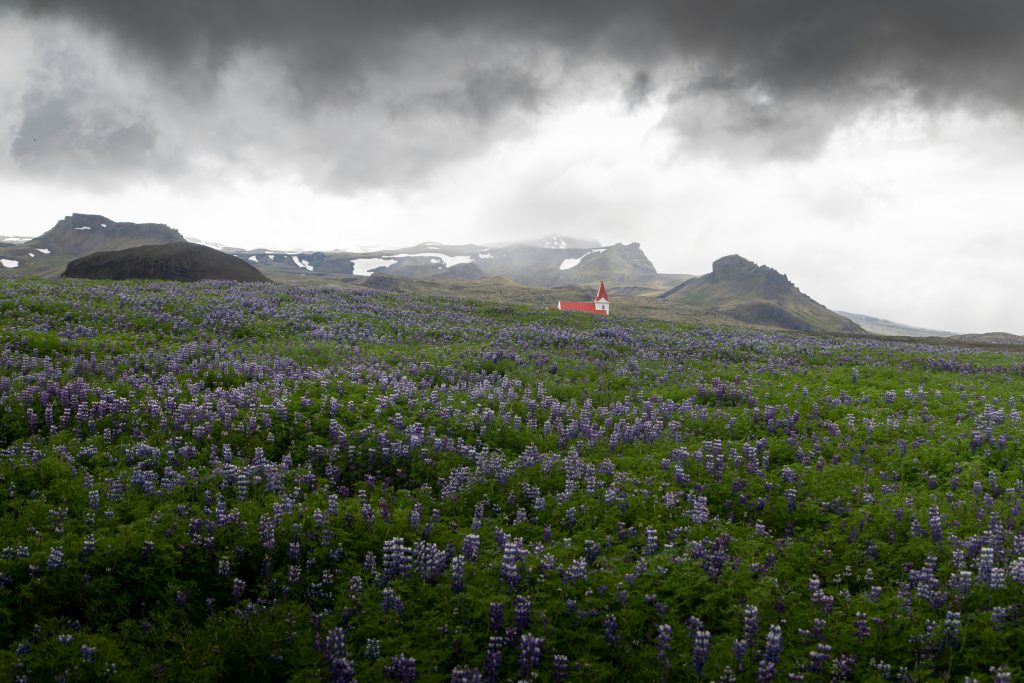
There are places on Earth that feel unfinished—not in the sense of lacking, but in the sense of still becoming. Iceland is one of them. A country shaped by forces that refuse to settle, it exists in a constant dialogue between creation and collapse, between fire that rises from the depths of the planet and ice that remembers the weight of ancient winters.
To arrive in Iceland is not simply to enter a new country.
It is to step into a living process.
Here, the land does not pretend to be gentle. Volcanoes breathe beneath thin layers of moss. Glaciers move with imperceptible patience. The wind carries stories older than cities, older than borders. Iceland does not invite admiration—it demands attention.
A Landscape Still Writing Itself
Volcanic Heartbeats Beneath the Earth
Iceland sits directly on the Mid-Atlantic Ridge, a rare place where the Earth’s tectonic plates drift apart above sea level. This geological tension defines everything. Beneath the surface, magma circulates like a restless pulse, occasionally breaking through in eruptions that redraw maps overnight.
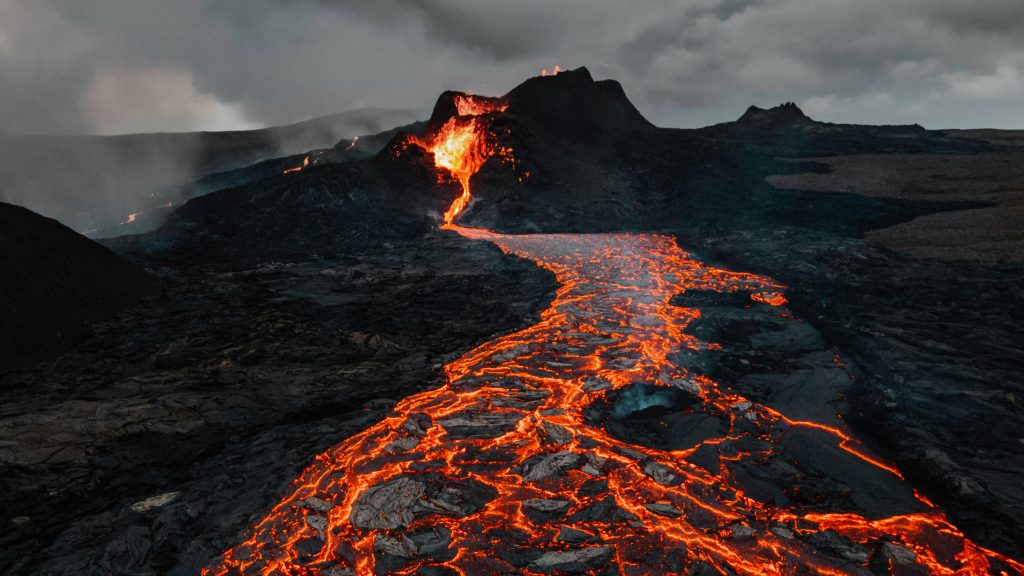
Standing near a volcanic field is a humbling experience. The ground beneath your feet may be only years old. Lava fields stretch outward like frozen waves, their jagged forms softened slowly by moss that grows at an almost ceremonial pace. Life here does not rush—it persists.
Volcanoes such as Hekla, Katla, and the more recent Fagradalsfjall remind visitors that Iceland is not a landscape preserved in the past. It is actively reshaping itself. Every eruption is not a disaster alone, but also an act of creation—a reminder that destruction and birth are inseparable.
To witness this is to understand that the planet is not static.
It is alive.
USGS Volcano Hazards Program
https://www.usgs.gov/
Glaciers: Rivers of Frozen Time
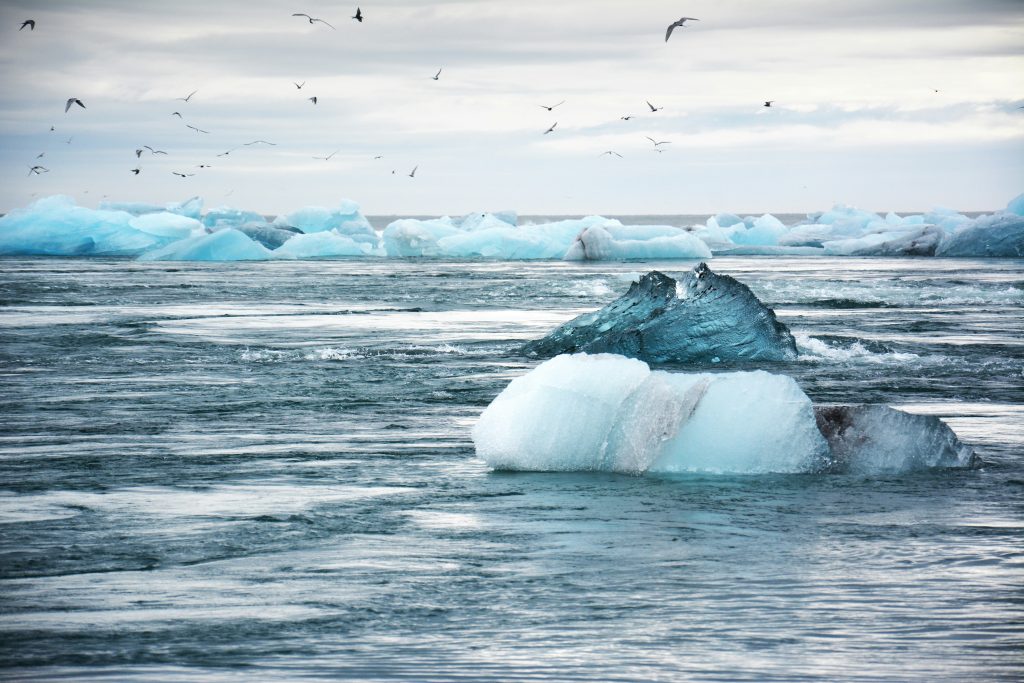
In sharp contrast to the heat below, Iceland’s glaciers dominate the horizon with quiet authority. Vatnajökull, Europe’s largest glacier, covers nearly ten percent of the country. Its ice is not uniform white, but layered with history—compressed snowfall, trapped air, volcanic ash from eruptions centuries apart.
Walking across a glacier feels like stepping onto time itself. The ice creaks softly beneath your boots. Blue crevasses reveal depths that seem endless, their color shaped by light filtered through centuries of frozen pressure. These glaciers move slowly, almost invisibly, yet their force is undeniable. They carve valleys, feed rivers, and shape coastlines.
But glaciers are also fragile witnesses. Climate change has accelerated their retreat, turning once-permanent ice into temporary memory. In Iceland, the reality of environmental change is not abstract. It is visible, measurable, and deeply personal.
Where Silence Has a Voice
The Icelandic Highlands and the Weight of Stillness
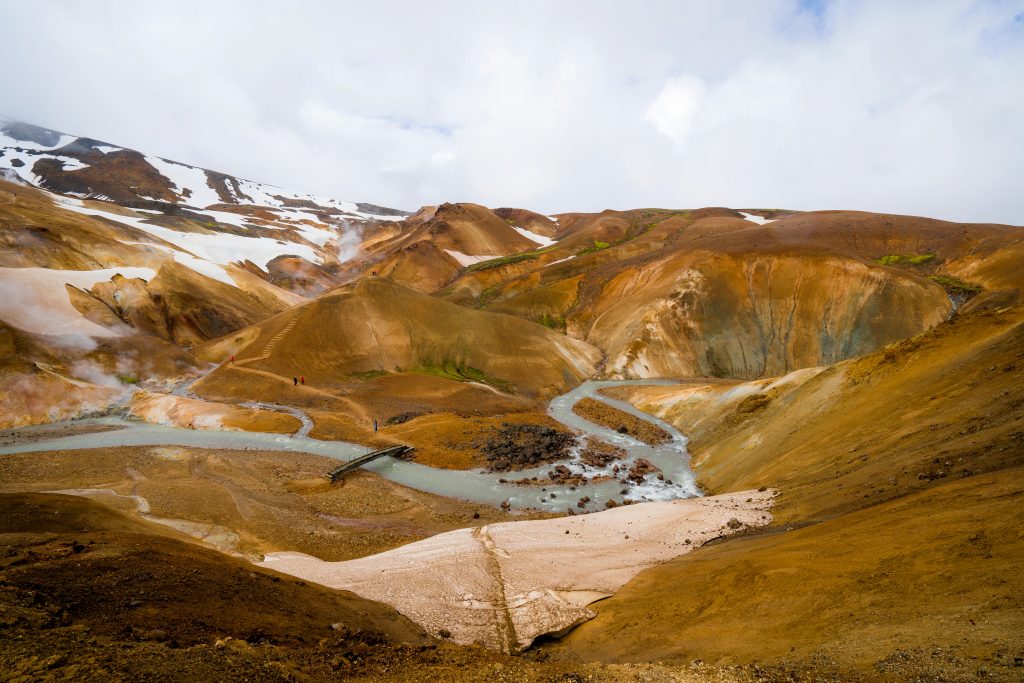
Beyond the famous waterfalls and ring roads lies Iceland’s interior—a vast, uninhabited region known as the Highlands. Here, the land opens into wide plains of volcanic sand, distant mountains, and rivers that shift with the seasons. There are no towns, no permanent structures, and often no sound beyond the wind.
Silence in Iceland is not empty.
It is layered.
Hours can pass without seeing another human being. In that space, the mind adjusts. Distractions fade. Time stretches. The landscape becomes a mirror, reflecting thoughts that daily life often keeps buried.
For many travelers, this silence is transformative. It teaches patience. It teaches presence. It reminds you how loud the world has become elsewhere.
Romantic travel is often about atmosphere rather than itinerary, a feeling that also appears in quieter European escapes like a weekend wandering through Bruges.
Northern Lights: Order Within Chaos
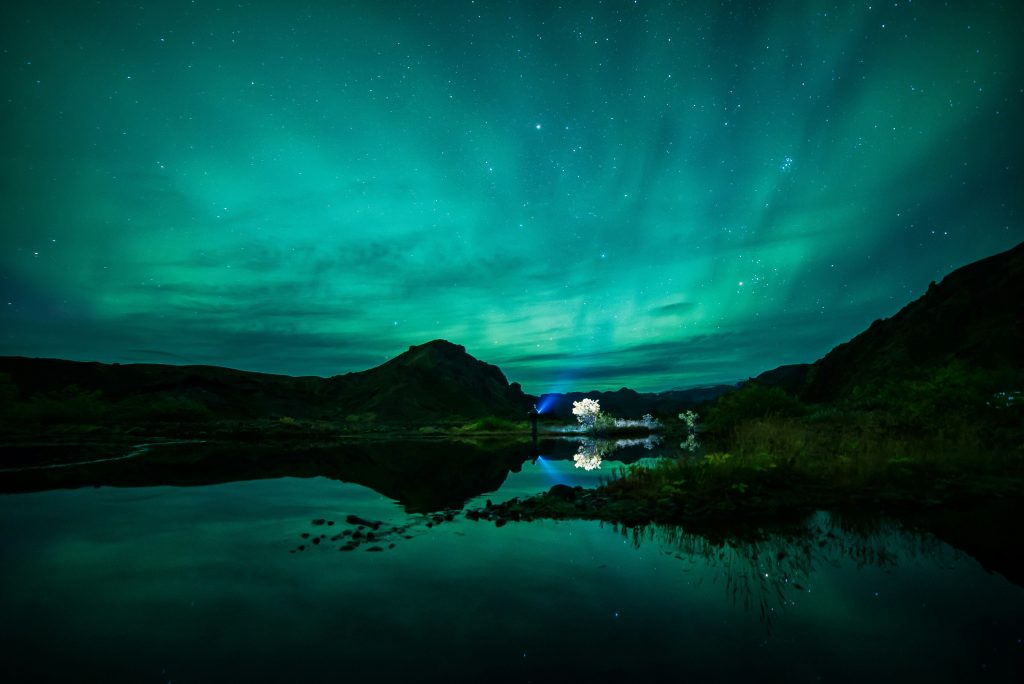
When darkness falls in winter, the sky itself becomes a canvas. The Northern Lights—aurora borealis—are not predictable performances. They arrive without announcement, shaped by solar winds colliding with Earth’s magnetic field.
Green ribbons ripple across black skies. Occasionally, violet and red tones appear, subtle yet profound. No two displays are the same. To watch them is to witness science and poetry merging into a single moment.
The aurora is not staged beauty.
It is raw interaction between the sun and the planet.
Standing beneath it, you feel both insignificant and deeply connected—one small observer within a vast, ordered chaos.
People of a Restless Land
Resilience as a Cultural Foundation
Living in Iceland requires an acceptance of uncertainty. Volcanic eruptions, harsh winters, long darkness, and shifting weather patterns are not occasional disruptions—they are part of life. Over centuries, this has shaped a culture rooted in adaptability rather than control.
Icelanders are known for their pragmatism and quiet humor. There is an understanding that nature cannot be dominated, only respected. Infrastructure is built to adapt. Communities are tightly connected. Independence is valued, but cooperation is essential.
This resilience is not dramatic.
It is calm, practiced, and deeply ingrained.
Warmth in a Cold Climate
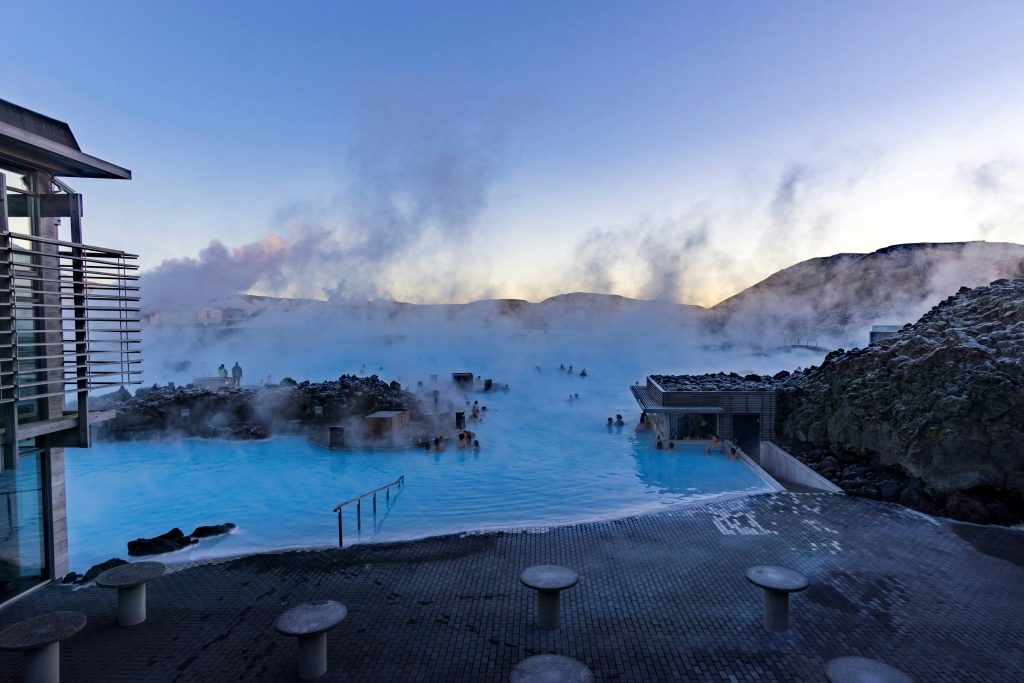
Despite the harsh environment, Iceland feels unexpectedly warm—not in temperature, but in spirit. Geothermal energy heats homes, powers greenhouses, and feeds natural hot springs scattered across the country. These pools are not luxuries; they are gathering places.
In warm water under open skies, conversations unfold slowly. Locals and travelers alike share space without urgency. In a land shaped by extremes, warmth—both physical and emotional—becomes a shared necessity.
Light, Darkness, and the Shape of Time
Living Between Extremes
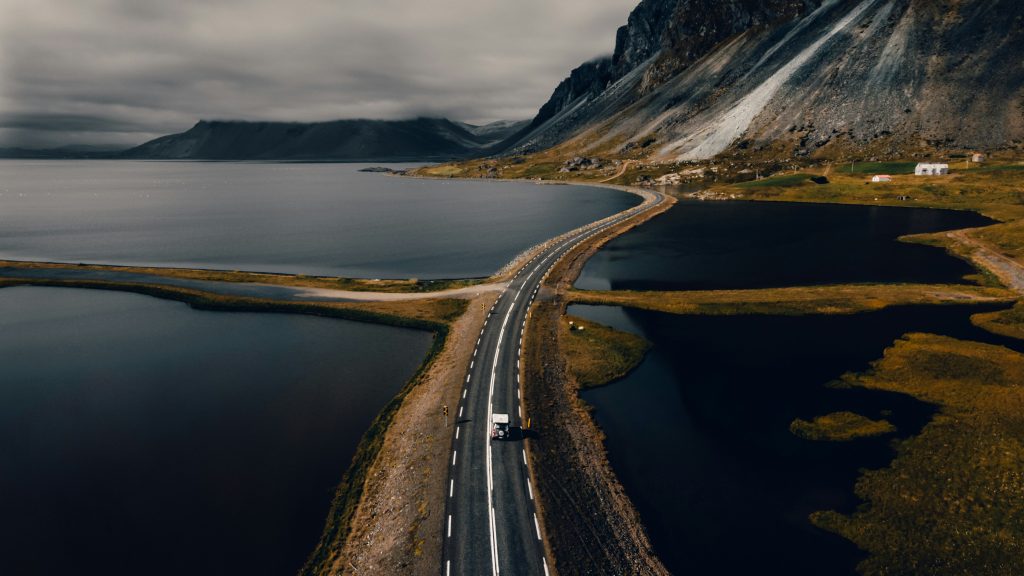
Iceland experiences two radically different rhythms of light. In summer, the midnight sun blurs the boundary between day and night. Sleep becomes optional. Time feels expansive, elastic. In winter, daylight is brief and precious, sometimes lasting only a few hours.
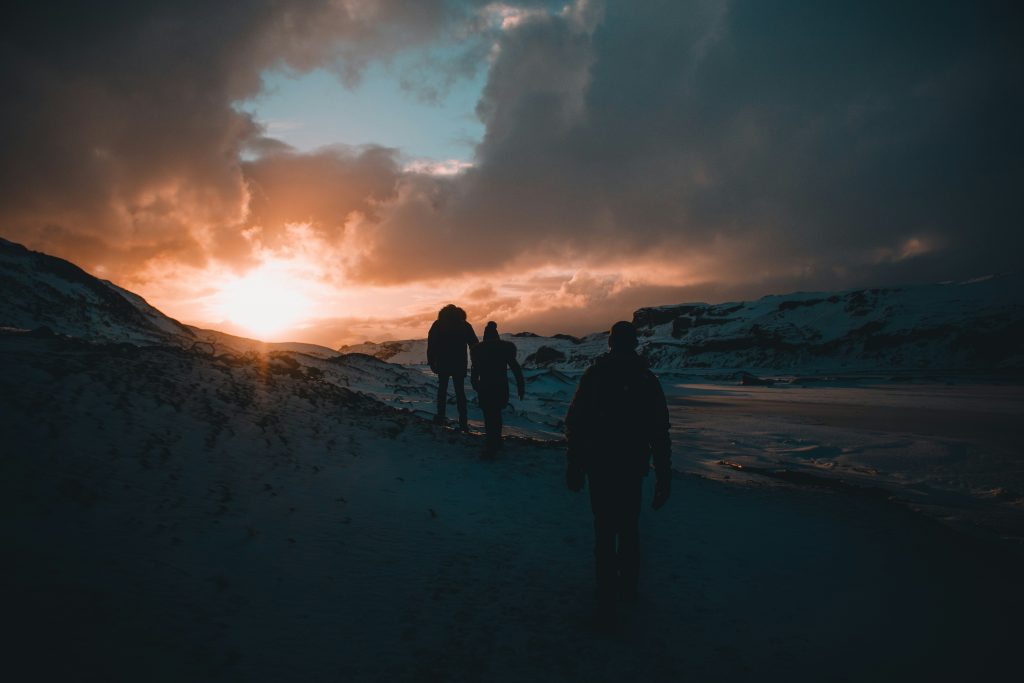
These cycles influence everything—from work schedules to emotional health. Icelanders learn to live in harmony with light rather than resisting it. Darkness becomes a time for reflection. Light becomes a gift not taken for granted.
For visitors, this shift can be disorienting at first. But it also invites a reevaluation of how time is experienced. Productivity loosens its grip. Presence becomes more valuable than pace.
Traveling Iceland With Intention
When to Go
- Summer (June–August):
Ideal for hiking, road trips, and accessing the Highlands. Long daylight hours allow for deep exploration. - Winter (November–February):
Best for Northern Lights, ice caves, and experiencing Iceland’s quieter, introspective side.
Essential Experiences
- The Golden Circle
- Jökulsárlón Glacier Lagoon
- Black sand beaches of Vík
- Volcanic regions near Reykjanes Peninsula
- Natural geothermal hot springs
A Note on Respect
Iceland’s landscapes are fragile. Moss can take decades to recover from a single footprint. Responsible travel here is not optional—it is essential. Stay on marked paths. Respect closures. Observe without disturbing.
Why Iceland Changes the Way You See the World
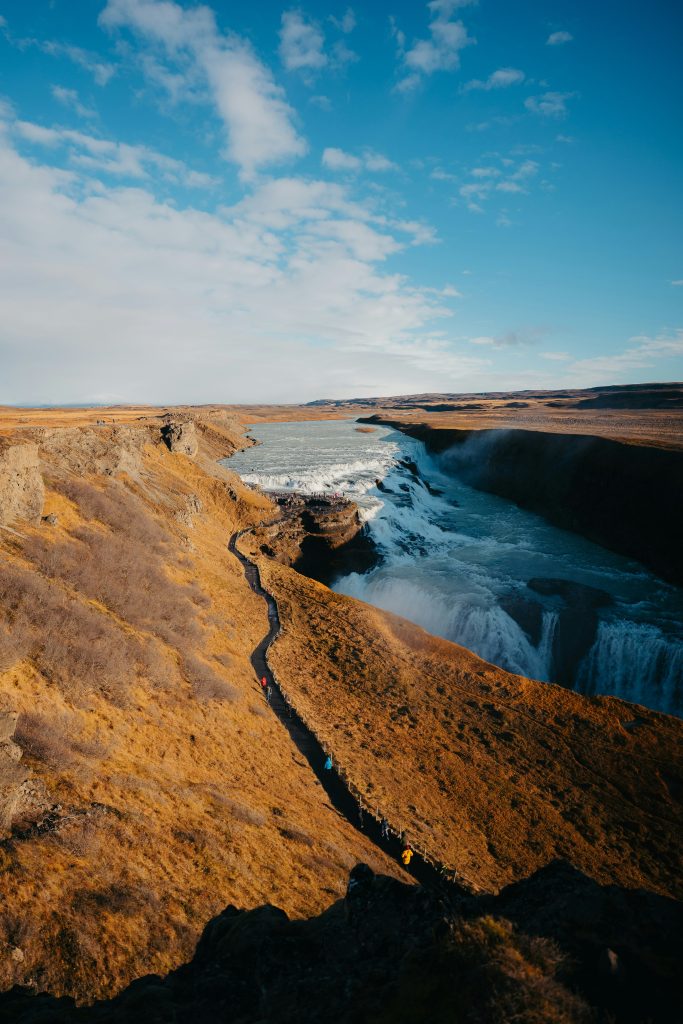
Iceland does not overwhelm with abundance. It strips life back to essentials—land, weather, light, time. In doing so, it reveals how little is actually needed for meaning.
Here, you learn that beauty does not require decoration.
That silence can be generous.
That instability does not always mean danger—sometimes it means possibility.
Iceland teaches through contrast: fire and ice, light and dark, fragility and strength. It reminds us that the world is not meant to be mastered, only understood.
Looking beyond major attractions often leads to a deeper understanding of place, a mindset also echoed in journeys through Europe’s lesser-known cities.
Conclusion — A Land Still Becoming
Iceland is not a destination you simply visit.
It is a place you listen to.
Long after leaving, its landscapes remain with you—not as images, but as sensations. The sound of wind over open plains. The glow of light on ice. The awareness that beneath every surface, something powerful is always moving.
In a world that often feels fixed and predictable, Iceland stands as a reminder:
the Earth is alive,
change is constant,
and we, too, are still becoming.