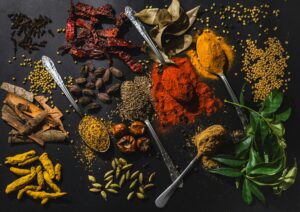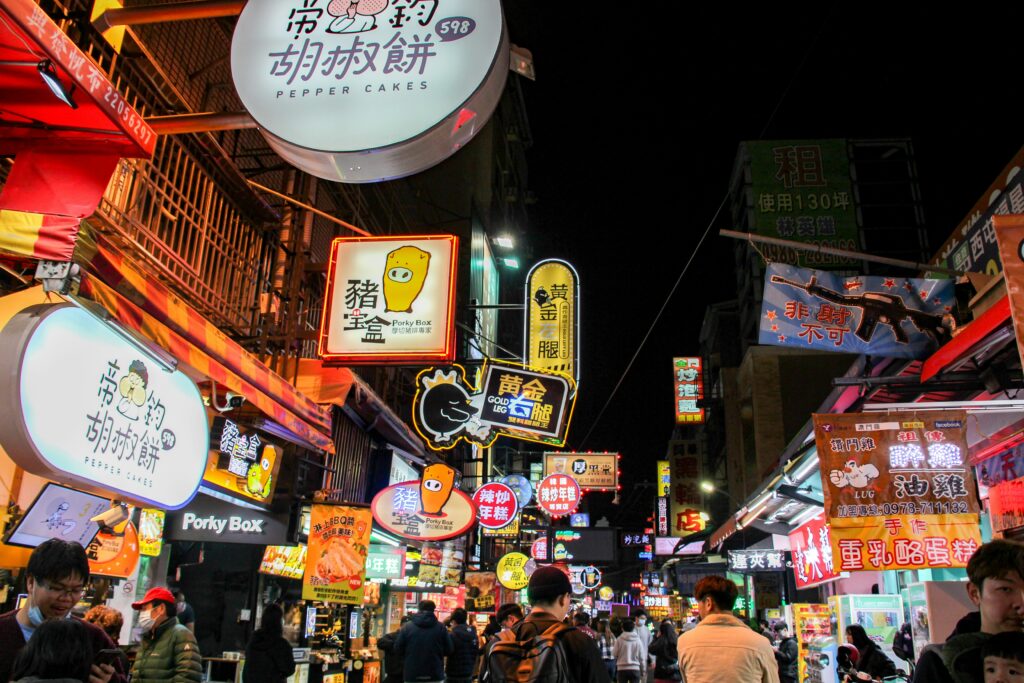
Asia is more than temples, beaches, and bustling cities — it’s also a food paradise where every corner reveals a sizzling wok, steaming pot, or smoky grill. Street food isn’t just about grabbing a quick bite; it’s a cultural ritual that tells the story of each country’s history, traditions, and daily life. From spicy satay in Indonesia to delicate dumplings in China, these dishes are a journey of flavor and identity.
If you’re ready to explore Asia through your taste buds, here are 10 street foods that every traveler must try.
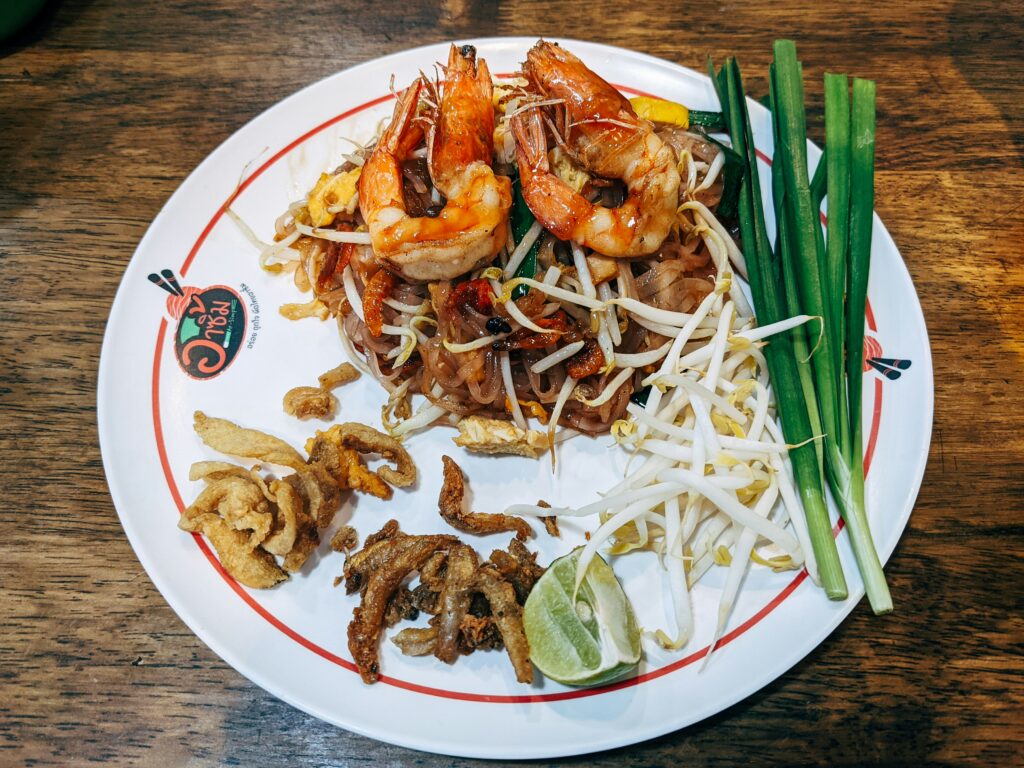
1. Pad Thai – Thailand’s National Pride
No trip to Bangkok is complete without tasting Pad Thai, stir-fried noodles with shrimp, tofu, or chicken, flavored with tamarind, fish sauce, and peanuts. Usually cooked in roadside stalls on blazing hot woks, the aroma alone will stop you in your tracks.
📌 See also: Five Days in Chiang Mai and Pai
2. Satay – Indonesia & Malaysia’s Smoky Skewers
Satay is grilled meat skewers, marinated in spices, then served with a rich peanut sauce. Found in night markets from Jakarta to Penang, satay is both a snack and a social event — locals often gather around satay vendors late into the night.
📌 Explore more: Three Days, Two Nights of Romance in Bali
3. Dumplings – China’s Bite-Sized Tradition
From Shanghai’s xiao long bao (soup dumplings) to Beijing’s pan-fried jianbing dumplings, this dish symbolizes comfort food across China. Dumplings reflect family gatherings, festivals, and centuries of culinary artistry.
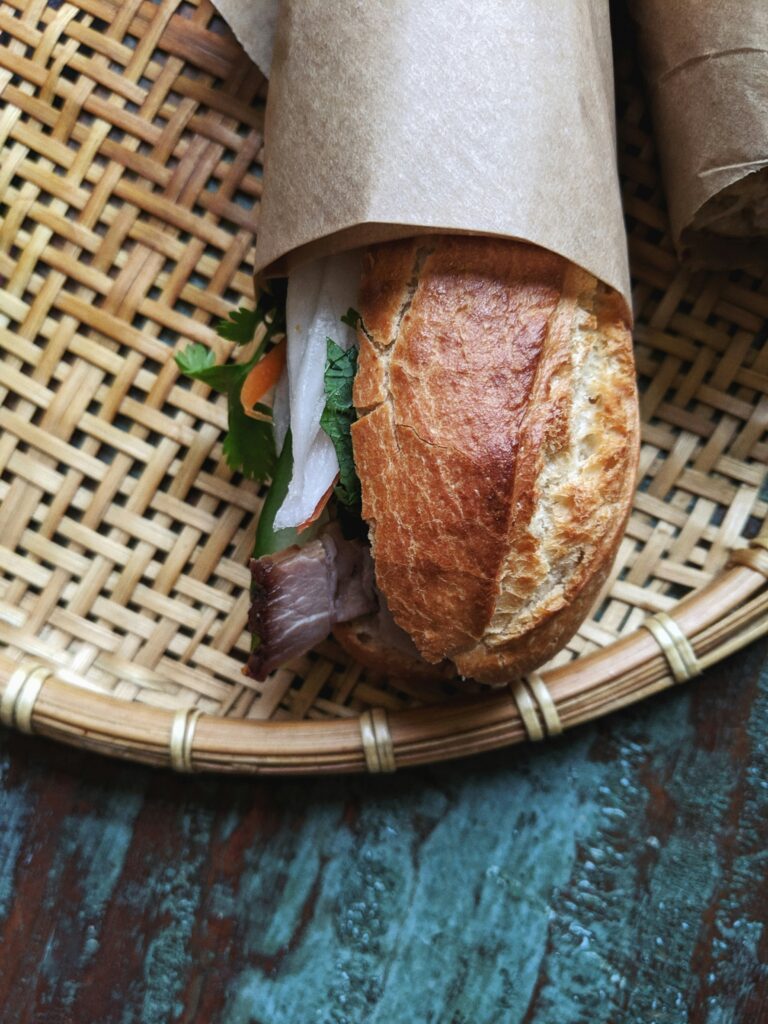
4. Bánh Mì – Vietnam’s Flavor-Filled Sandwich
A French baguette stuffed with Vietnamese herbs, grilled meats, pickled vegetables, and spicy sauce, the bánh mì is one of the most beloved street foods worldwide. Every vendor has their own style — spicy, sweet, or extra crunchy.
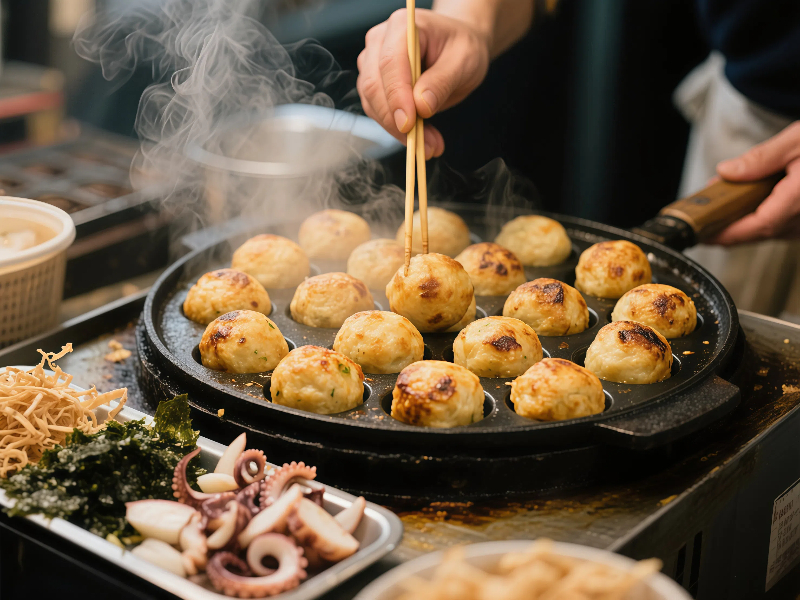
5. Takoyaki – Japan’s Irresistible Octopus Balls
In Osaka, you’ll smell takoyaki before you see it. These little golden balls of batter filled with octopus, ginger, and scallions are drizzled with mayo and bonito flakes that dance in the heat. Perfect for sharing while walking through Osaka’s neon-lit streets.
6. Momos – Himalayan Comfort Food
Popular in Nepal, Tibet, and northern India, momos are steamed dumplings filled with vegetables or meat, usually served with a spicy tomato chutney. They’re hearty, affordable, and deeply tied to mountain culture.
📌 Planning ahead? Solo Travel Destinations for First-Timers
7. Roti Canai – Malaysia’s Crispy Delight
A flaky, buttery flatbread served with curry or dhal, roti canai is a breakfast staple and a late-night snack. Watching vendors stretch, flip, and slap the dough is part of the magic.
8. Chaat – India’s Explosion of Flavors
Spicy, tangy, sweet, and crunchy all at once, chaat is India’s ultimate street snack. From Delhi’s papri chaat to Mumbai’s bhel puri, each city has its version. Eating chaat is as much about the flavors as it is about joining locals in crowded bazaars.
9. Gimbap – Korea’s Street-Friendly Roll
Not to be confused with sushi, gimbap is rice and vegetables rolled in seaweed, often eaten on-the-go in Seoul’s bustling markets. Affordable and satisfying, it’s a staple for students, workers, and travelers alike.
📌 Related: Best Accommodations for Immersive Travel
Image Suggestion: Pixabay – Korean gimbap, street food Seoul.
10. Laksa – Malaysia & Singapore’s Spicy Noodle Soup
This coconut-based spicy noodle soup is a fusion of Malay and Chinese influences. Vendors in Penang and Singapore each claim the “best laksa,” so the only way to decide is to try them all.
🌏 Why Street Food Matters in Travel
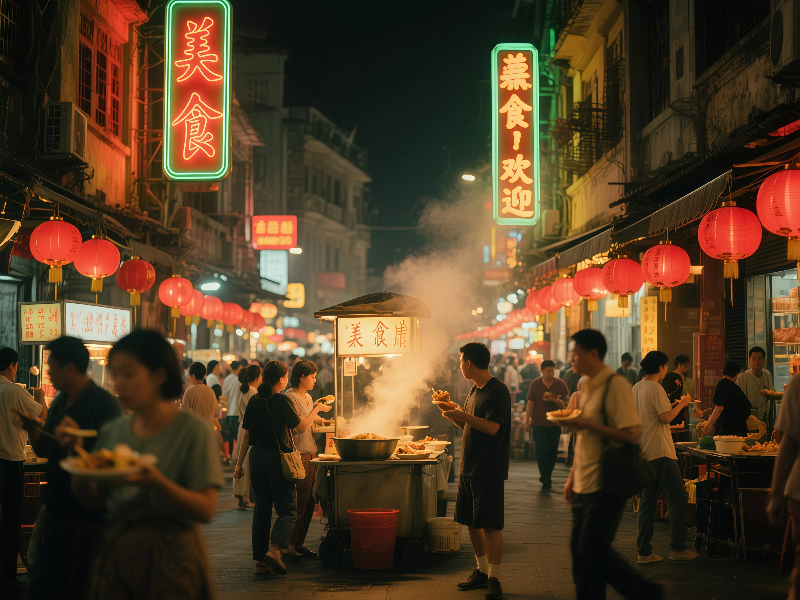
Street food in Asia is far more than just affordable, mouthwatering fare that satisfies hunger on the go—it’s the beating heart of cultural exchange, a universal language that bridges traditions, generations, and communities across the continent. From the sizzling woks of Bangkok’s night markets to the steam rising from Hanoi’s sidewalk stalls, from the aromatic spice blends of Delhi’s chaat carts to the umami-rich broths of Tokyo’s yatai, these humble roadside spots serve up not just food, but slices of life that reveal the soul of each destination. Cheap and delicious they may be, but their true magic lies in their ability to transcend mere sustenance, offering a front-row seat to the stories, customs, and warmth of the people who call these places home.
Eating at Asia’s roadside stalls isn’t just a meal—it’s an immersive, unscripted encounter with authenticity. Picture yourself leaning against a plastic stool, watching a vendor skillfully toss pad thai with fresh shrimp and lime, or slurping pho beside locals who’ll gesture toward the best herbs to add to your bowl. These moments invite connection: strike up a conversation with the stall owner, and you might hear tales of family recipes passed down through decades, or learn how a simple dish like dumplings or samosas carries the history of migration or seasonal celebrations. Share a table with strangers, and you’ll find laughter transcends language barriers as you compare bites and swap recommendations. Unlike formal restaurants, street stalls strip away pretense—here, you’re not just a customer, but a guest, welcomed into a space where food is a labor of love and community is fostered over shared plates. In these bustling, 烟火气 (yanhuoqi—smoky, lively) corners, you don’t just taste Asia’s flavors; you touch its traditions, listen to its stories, and forge connections that feel as genuine and nourishing as the food itself.