Europe is the cradle of winemaking, where vineyards stretch across rolling hills, medieval villages sit among grape fields, and centuries-old traditions still shape every bottle. From the sun-drenched valleys of Spain to the cool slopes of Germany’s Rhine, wine in Europe is more than a drink — it’s a lifestyle, a heritage, and a lens into local culture.
If you’ve ever dreamed of sipping Chianti in Tuscany, wandering French châteaux, or discovering hidden Balkan vineyards, this guide will take you across 10 iconic wine regions in Europe. Each destination blends taste, history, and unforgettable scenery.
1. Bordeaux, France – The Wine Capital of the World
Bordeaux is synonymous with luxury wines, but beyond the prestigious labels lies a rich cultural experience. Explore the vineyards of Médoc, visit La Cité du Vin Museum, and enjoy local specialties like canelés paired with red blends.
2. Tuscany, Italy – Chianti and Rolling Hills
The landscapes of Tuscany look like they were painted for wine lovers. The Chianti Classico route between Florence and Siena is lined with rustic wineries and farmhouses. Sangiovese grapes dominate, producing wines that are earthy, fruity, and deeply Italian.
3. Rioja, Spain – Bold Reds with Tradition
Rioja is Spain’s wine heartland, famous for its oak-aged red wines. Visit Haro’s wine cellars, many dating back centuries, and time your trip with the annual wine festival where locals splash each other with red wine in celebration.
Traveling through wine regions often feels more meaningful when the journey itself becomes part of the experience, especially when explored slowly, as in crossing Europe by train.
4. Douro Valley, Portugal – The Home of Port Wine
The Douro River snakes through terraced vineyards, producing the world-famous Port wine. A river cruise through this valley is one of the most scenic wine experiences in Europe. Pair your tasting with Portuguese dishes like bacalhau (codfish).
5. Champagne, France – Sparkling Elegance
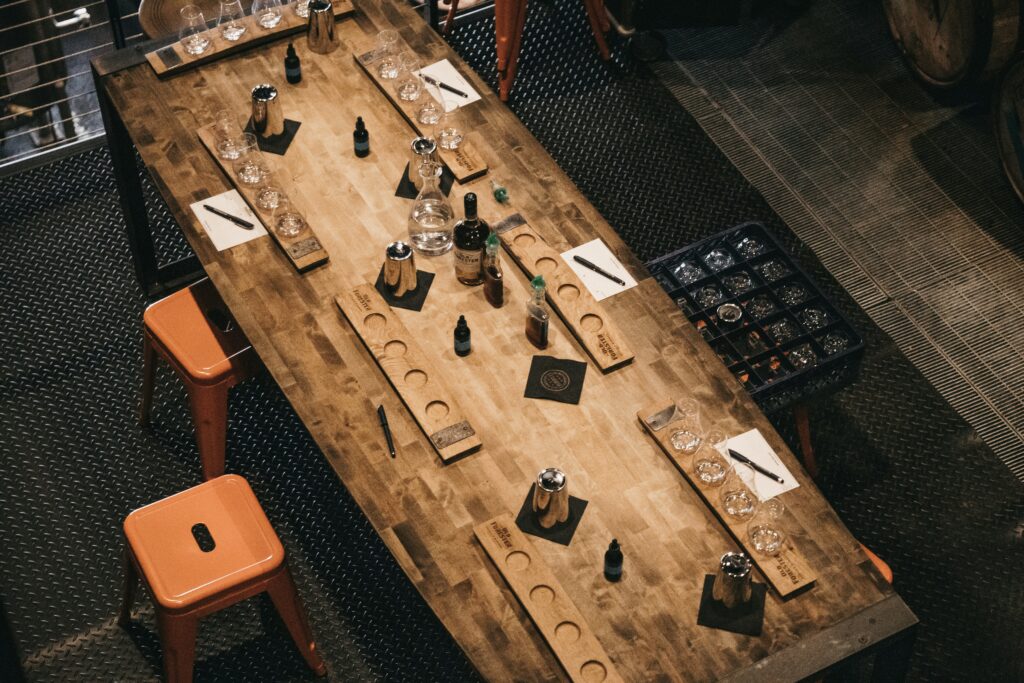
No celebration is complete without Champagne. Visit the underground chalk caves of Épernay and Reims, where some of the world’s most prestigious houses (Moët, Veuve Clicquot) age their bottles. Don’t miss pairing bubbles with local cheeses.
6. Mosel, Germany – Riesling on the Riverbanks
The Mosel Valley, a jewel of Germany’s wine country, is celebrated worldwide for its dramatic, terraced vineyards that cling precipitously to the river’s steep slopes—some so sheer they can only be tended by hand. These sun-drenched plots yield exceptional Rieslings: crisp, vibrant, and brimming with aromatic complexity, offering bright acidity balanced by hints of citrus, white peach, and delicate floral notes, with a subtle mineral undertone that reflects the region’s unique slate soil.
Scattered along the winding Mosel River, medieval castles and ruined fortresses perch atop rugged cliffs, their weathered stone walls telling tales of centuries past. These architectural marvels not only add a fairy-tale charm to the landscape but also provide sweeping panoramic views of the valley below—where rows of grapevines stretch like green ribbons toward the water. Wine tours here are a feast for both the eyes and the palate: whether cruising the river by boat, hiking through vineyard trails, or meandering through cobblestone villages, visitors are treated to a seamless blend of breathtaking natural beauty and the rich, sensory rewards of wine tasting.rmly.
7. Santorini, Greece – Volcanic Vines by the Sea
Greece’s Santorini isn’t just about sunsets — it’s also home to Assyrtiko grapes, grown in volcanic soil. The vines are trained in circular baskets to protect them from strong winds, creating a unique winemaking tradition.
8. Tokaj, Hungary – Sweet Gold Wines
Tokaj is famed for its sweet dessert wines, known as “wine of kings.” The volcanic soil and misty climate create the perfect conditions for the noble rot that concentrates grape sugars. It’s a UNESCO heritage wine region.
9. Provence, France – Rosé by the Mediterranean
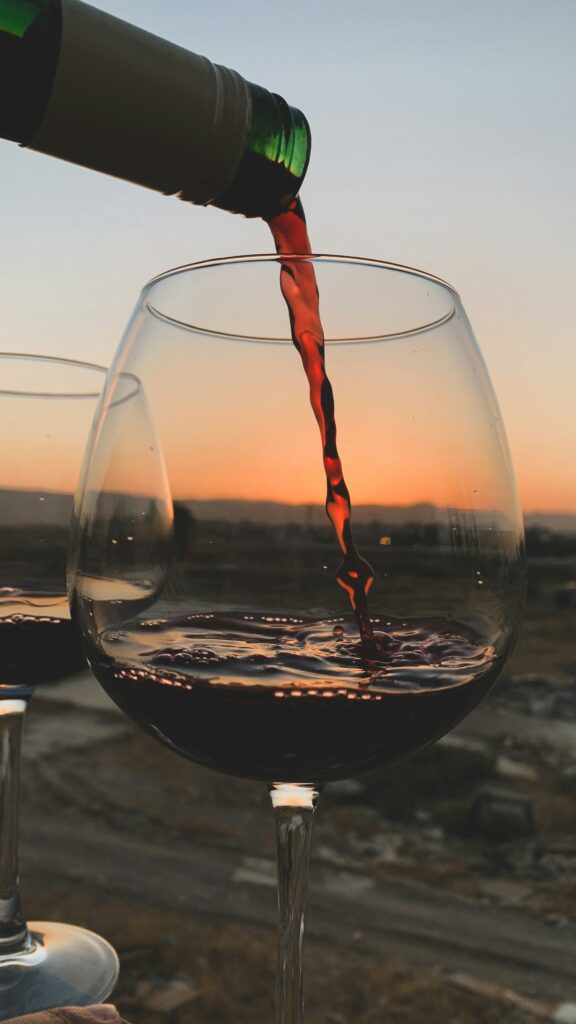
If you’ve sipped rosé in summer, chances are it came from Provence. This region is all about sunshine, lavender fields, and breezy wines best enjoyed near the sea. Local rosé is pale pink, refreshing, and perfect with seafood.
10. Slovenia’s Brda Region – Europe’s Hidden Gem
While Slovenia may not command the same global spotlight as some of Europe’s more celebrated wine regions—think France’s Bordeaux or Italy’s Tuscany—it harbors a hidden gem in the Brda region, a sun-kissed corner nestled in the country’s western hills, near the border with Italy. This picturesque locale is a master of balance, producing wines that marry Old World finesse with distinct local character: elegant, aromatic whites—such as crisp Ribolla Gialla, fragrant Malvasia Istriana, and honeyed Chardonnay—alongside rich, full-bodied reds like bold Refošk, velvety Merlot, and earthy Cabernet Sauvignon, each bottle reflecting the region’s unique terroir of limestone and clay soils, tempered by gentle Mediterranean breezes.
Long overshadowed by busier, tourist-crowded destinations across the continent, Brda remains a blissful haven for travelers in search of authentic, off-the-beaten-path experiences—ones that feel less like “tourism” and more like a genuine immersion into local life. Here, you won’t find glitzy tasting rooms or crowded vineyard tours; instead, rolling hills are dotted with family-run wineries, many passed down through generations, where winemakers greet visitors with warm, unpretentious hospitality. Wander through sun-dappled vineyards that cascade down gentle slopes, explore charming stone villages with cobblestone streets and flower-adorned balconies, or settle into a rustic tavern to pair a glass of Brda’s finest with regional specialties like jota (a hearty bean and sauerkraut stew) or pršut (Slovenian prosciutto).
🌍 Why Wine Regions Enrich Travel
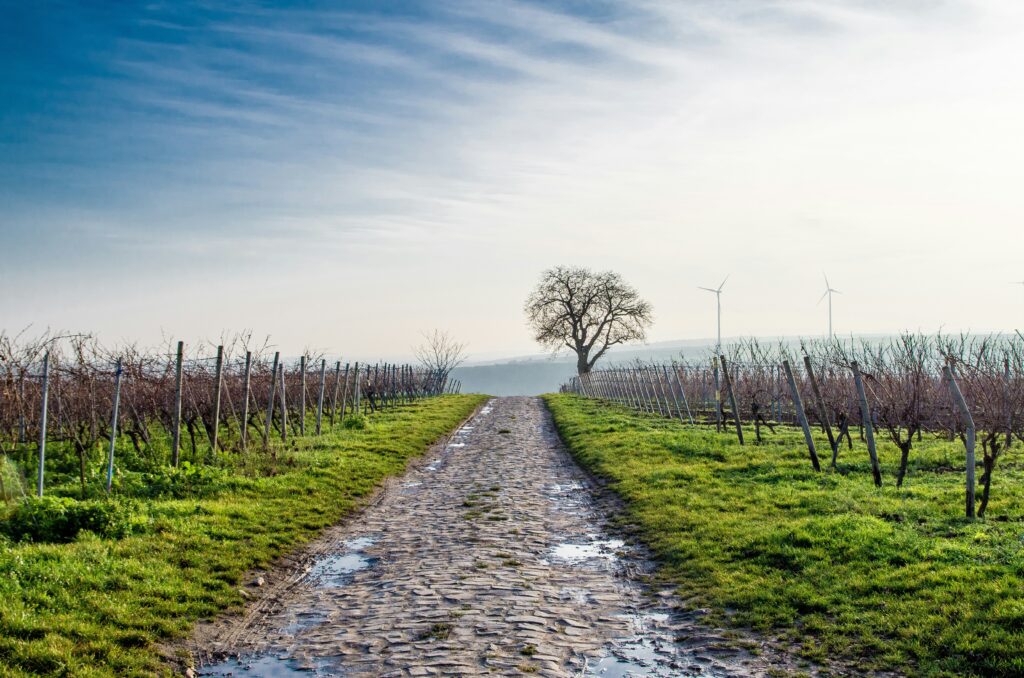
Wine in Europe is more than flavor; it’s storytelling. Each sip speaks of soil, climate, and tradition. Traveling through wine regions connects you with locals, landscapes, and lifestyles in a way museums never can. Whether sipping Riesling by the Mosel or rosé in Provence, you’re tasting history in every glass.