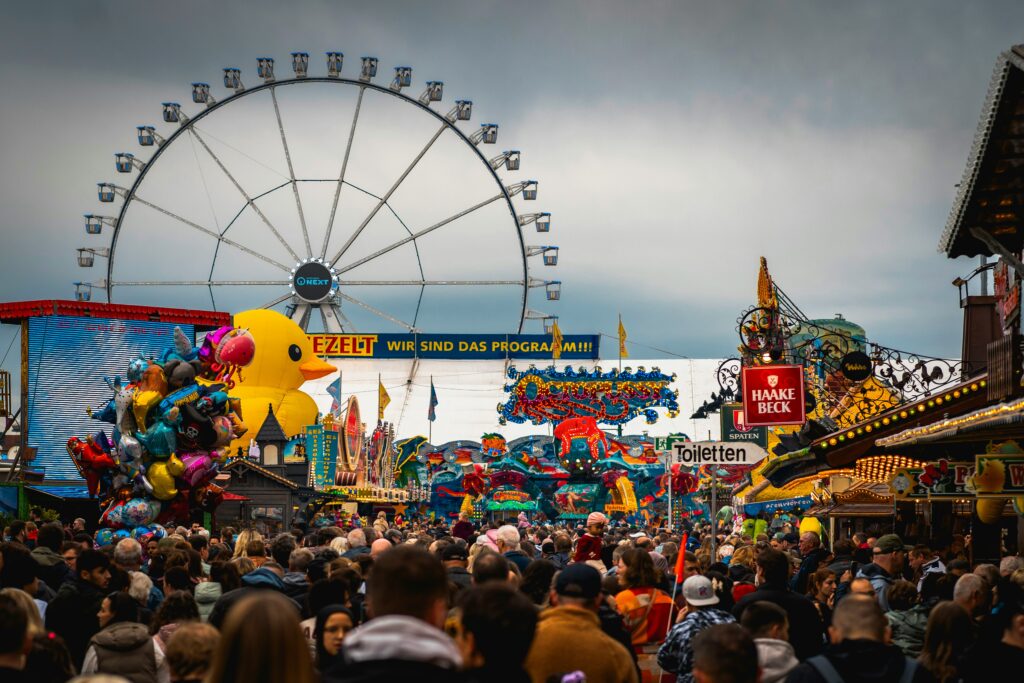
Introduction: Celebrating the World Through Festivals
Festivals are windows into a culture’s heart. They bring people together in joyous celebrations of history, religion, art, and community. For travelers, attending a festival is more than sightseeing—it’s an immersion into a living tradition. From colorful parades to sacred rituals, food fairs to wild street parties, festivals offer unforgettable memories.
This article highlights some of the most captivating cultural festivals worldwide—journeys that will inspire you to pack your bags and join the celebration.
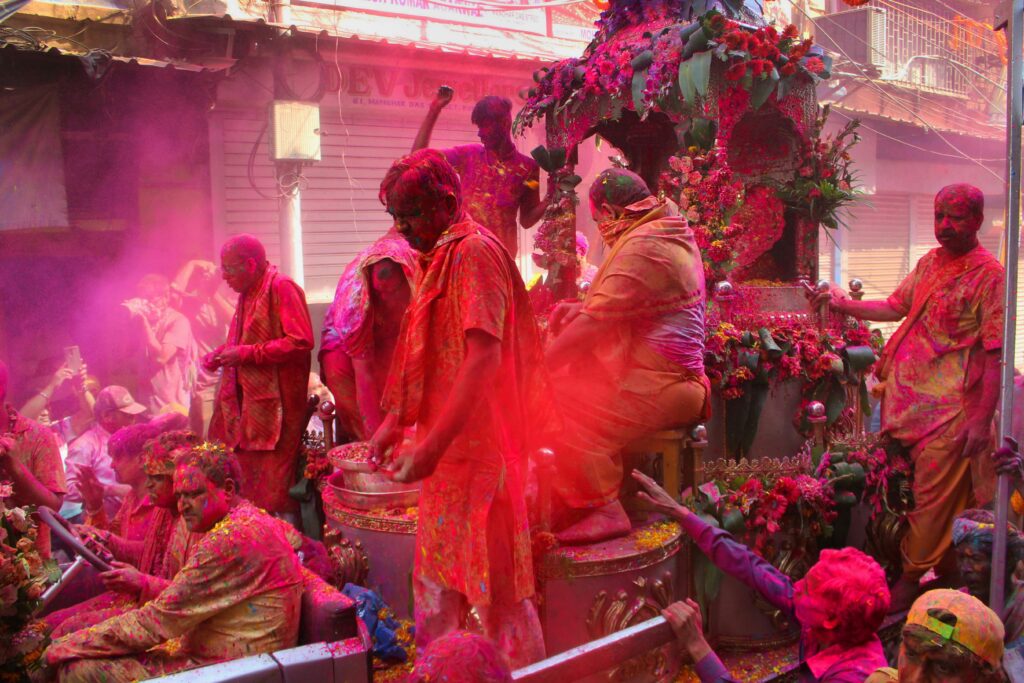
Holi, India: The Festival of Colors
Holi, celebrated in March, transforms India into a riot of color. Participants throw powdered dyes, dance in the streets, and celebrate the triumph of good over evil.
- Highlights: Mathura and Vrindavan are especially vibrant with traditional celebrations.
- Local Experience: Join locals in singing, dancing, and enjoying sweets like gujiya.
- Why It’s Special: A joyful, all-inclusive festival symbolizing love and renewal.
For more South Asian inspiration, see our Bangkok Travel Guide.
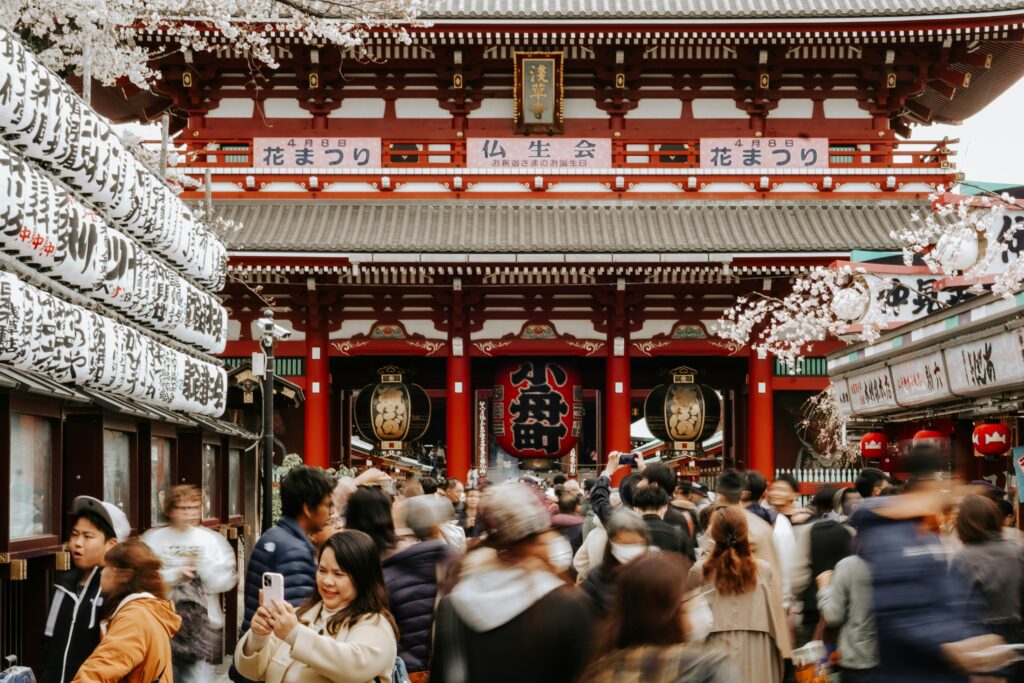
Cherry Blossom Festival, Japan: Hanami Season
Every spring, Japan transforms into a sea of pink and white as cherry blossoms bloom. Hanami (flower viewing) is celebrated with picnics under the blossoms.
- Highlights: Tokyo’s Ueno Park, Kyoto’s Philosopher’s Path, Hirosaki Castle.
- Local Experience: Bring bento and sake to share under blooming trees.
- Why It’s Special: A serene reminder of life’s fleeting beauty.
Connect with our Hidden Gems in Asia for more cultural journeys.
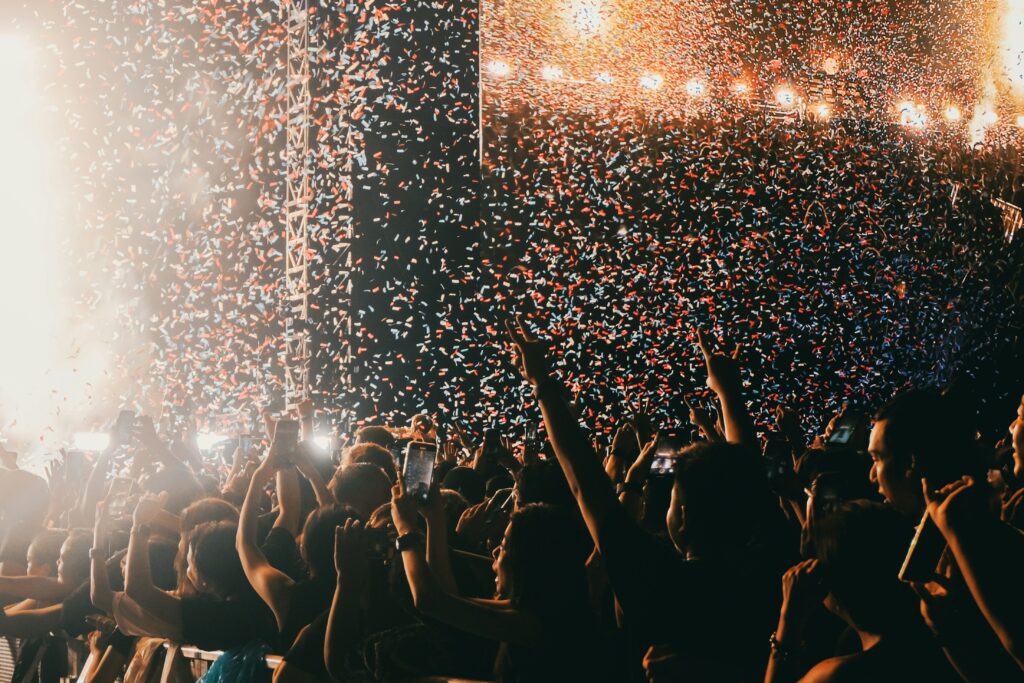
Carnival, Brazil: The World’s Biggest Party
Rio de Janeiro’s Carnival is legendary. Every February or March, samba schools parade through the Sambadrome in dazzling costumes, accompanied by nonstop music and dance.
- Highlights: Rio’s main parade, Salvador’s street parties, Olinda’s giant puppets.
- Local Experience: Join a bloco (street party) and dance with locals.
- Why It’s Special: The energy, creativity, and scale make it the ultimate party on Earth.
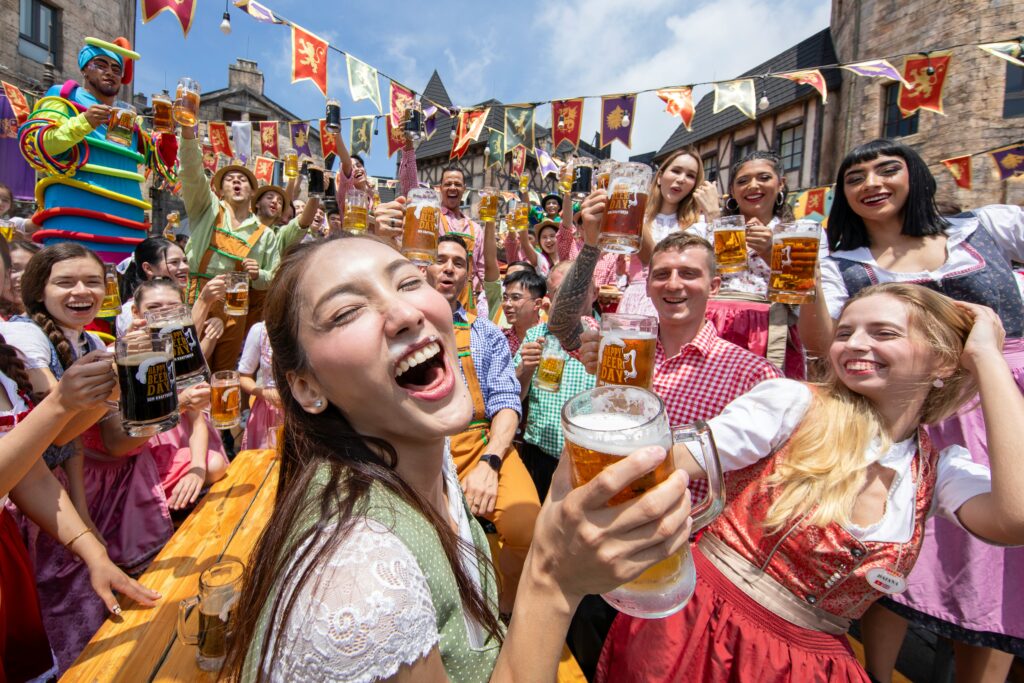
Oktoberfest, Germany: Beer and Bavarian Culture
Munich’s Oktoberfest is the world’s largest beer festival, running from late September to early October. Beyond beer, it’s a showcase of Bavarian traditions.
- Highlights: Traditional beer tents, folk music, dirndls and lederhosen.
- Local Experience: Share long tables with locals while enjoying pretzels and sausages.
- Why It’s Special: A festive mix of beer, culture, and camaraderie.
Compare with our Top European Wine Regions for more beverage-inspired journeys.
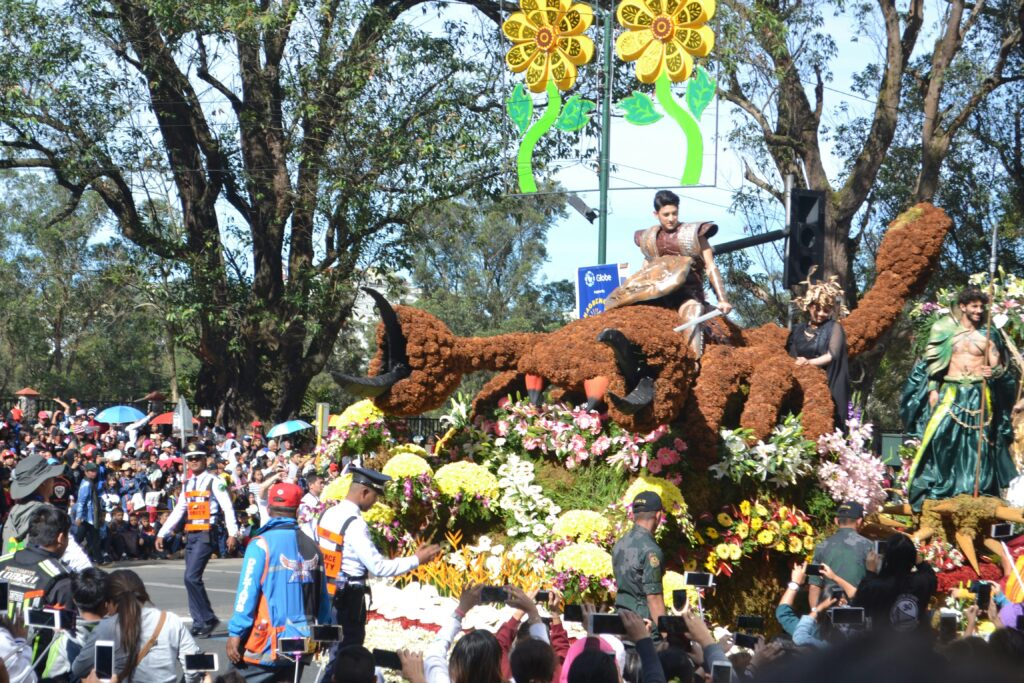
Day of the Dead, Mexico: Honoring Ancestors
Día de los Muertos is a Mexican tradition blending indigenous rituals with Catholic influences. Families honor their ancestors with colorful altars, marigolds, and offerings.
- Highlights: Oaxaca and Mexico City host elaborate parades and celebrations.
- Local Experience: Try pan de muerto (sweet bread) and visit decorated cemeteries.
- Why It’s Special: A festival that celebrates life by remembering those who passed.
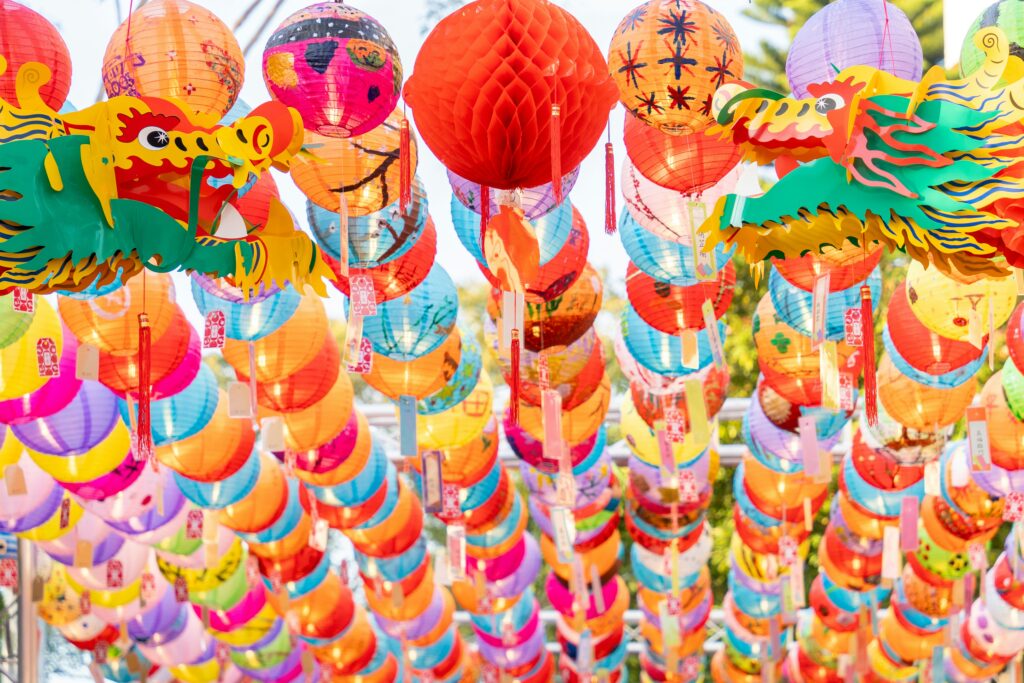
Lantern Festival, Taiwan: Light in the Night
The Lantern Festival marks the end of Lunar New Year celebrations, filling the night sky with glowing lanterns.
- Highlights: Pingxi Sky Lantern Festival, where wishes are written on lanterns.
- Local Experience: Release a lantern and watch it drift into the sky.
- Why It’s Special: A magical blend of tradition and beauty.
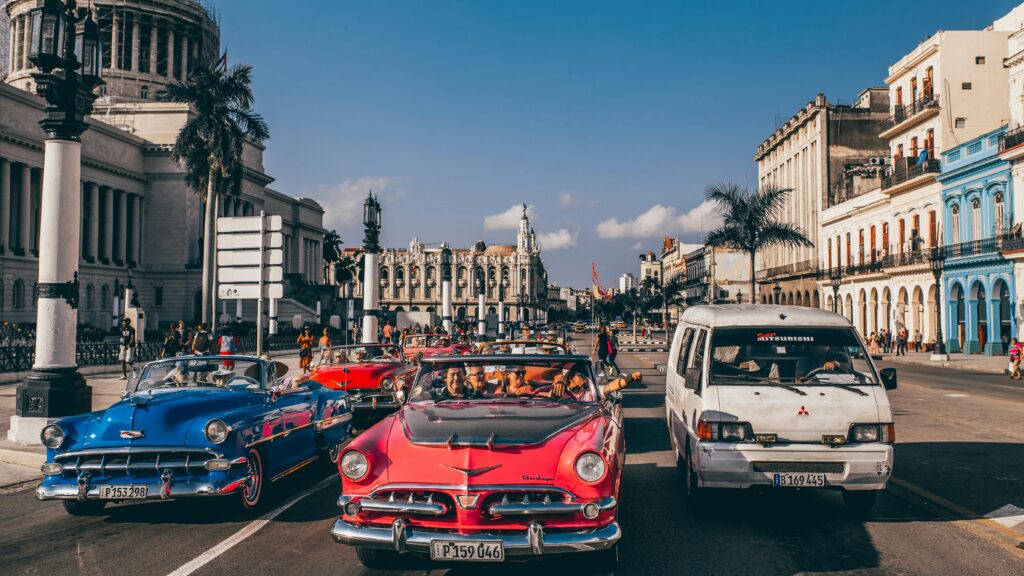
La Tomatina, Spain: The World’s Biggest Food Fight
Held in Buñol every August, La Tomatina is a chaotic, joyful tomato-throwing festival.
- Highlights: One hour of pure tomato battle in the streets.
- Local Experience: Wear old clothes and goggles—you’ll be drenched in red.
- Why It’s Special: A playful, quirky celebration unlike anything else.
People throwing tomatoes during La Tomatina
Tips for Festival Travelers
- Book early—accommodation fills quickly around festivals.
- Respect traditions—understand cultural meanings, especially for religious events.
- Pack appropriately—from goggles for La Tomatina to traditional attire for Oktoberfest.
- Engage with locals—festivals are about community; join, don’t just observe.
- Balance energy—big festivals can be overwhelming; take breaks.
Conclusion: Celebrating Humanity Together
Festivals are far more than just colorful gatherings or fleeting moments of celebration—they are profound, universal reminders that beneath our cultural differences, language barriers, and geographic divides, humanity shares an innate love for joy, connection, and honoring what matters most. Across continents and cultures, the impulse to celebrate binds us: it’s the same spark that ignites crowds in Rio de Janeiro as it does in a quiet village in Japan, the same warmth that unites strangers in Taiwan as it does in a bustling market in India. Festivals strip away the superficial, laying bare the common threads that weave through all of us—our desire to belong, to commemorate tradition, and to savor life’s most meaningful moments together.
Whether you’re swept up in the thunderous rhythm of Brazil’s Carnival, where streets explode with vivid feathers, sequins, and samba dancers whose hips sway to drumbeats that pulse like a collective heartbeat; sharing a cup of warm sake in Japan during Shōgatsu (New Year’s), sitting cross-legged on tatami mats with locals as you toast to new beginnings, nibble on osechi ryōri (traditional New Year’s dishes), and exchange heartfelt wishes for health and happiness; or standing beneath a sky dotted with glowing lanterns in Taiwan’s Pingxi Sky Lantern Festival, penning hopes for love, success, and peace on paper before releasing your lantern to drift upward, carried by gentle winds toward the stars—each festival is a masterclass in connection. In these moments, language fades into the background: a smile, a shared laugh, a nod of understanding as you join in a dance, taste a family recipe, or participate in a age-old ritual. Festivals don’t just showcase culture—they breathe life into it, letting you feel the weight of tradition in a elder’s story, the joy of community in a stranger’s cheer, and the magic of shared humanity in every collective breath.
So, the next time you plan a trip, don’t just mark landmarks on a map—center your journey around a festival. Instead of observing from the sidelines, dive in: learn the steps to a traditional dance, sample street food cooked by locals who’ve perfected recipes over generations, or join in a ritual that’s been passed down for centuries. You won’t just witness culture through a glass pane of tourism—you’ll live it, absorb it, and carry pieces of it with you long after the festival ends. These are the moments that transform travel from a series of sights into a tapestry of memories: the taste of a spicy churro at Spain’s La Tomatina, the glow of candlelight at Mexico’s Día de los Muertos, the camaraderie of singing along to folk songs at Ireland’s St. Patrick’s Day. Festivals don’t just celebrate the past or the present—they celebrate us, and in doing so, they remind us that we are all part of something bigger, brighter, and infinitely more connected than we ever imagined.