Europe’s extensive railway network makes it one of the most scenic, relaxing, and efficient ways to explore the continent. But for many travelers, choosing the right Railpass and making the most of it can be confusing. This comprehensive guide breaks down everything you need to know to travel Europe by train—with freedom, flexibility, and flair.
🧭 What is a Railpass, and Why Should You Get One?
A Railpass is a multi-use ticket that allows you to board most regional, national, and even high-speed trains across Europe. The most popular option is the Eurail Global Pass (for non-Europeans), which gives you access to trains in 33 countries.
Why consider it?
- You avoid buying individual tickets (especially last-minute ones that can be expensive).
- It offers ultimate flexibility—just hop on and go!
- Perfect for multi-city or multi-country itineraries.
🗺️ Types of Rail Passes and How to Choose
There are two main types:
🎫 1. Eurail Global Pass
- Access to 33 countries.
- Great for grand tours (e.g., Paris → Amsterdam → Berlin → Prague → Vienna → Rome).
- Available in continuous (e.g., 15 days straight) or flex format (e.g., 10 travel days within 2 months).
🎟️ 2. Eurail One Country Pass
- Ideal if you’re focusing on one country (e.g., Italy, Germany, or Switzerland).
- Cheaper and tailored to national networks.
📌 Planning tip: Best Time to Visit Europe by Train
🛤️ How to Activate and Use Your Railpass
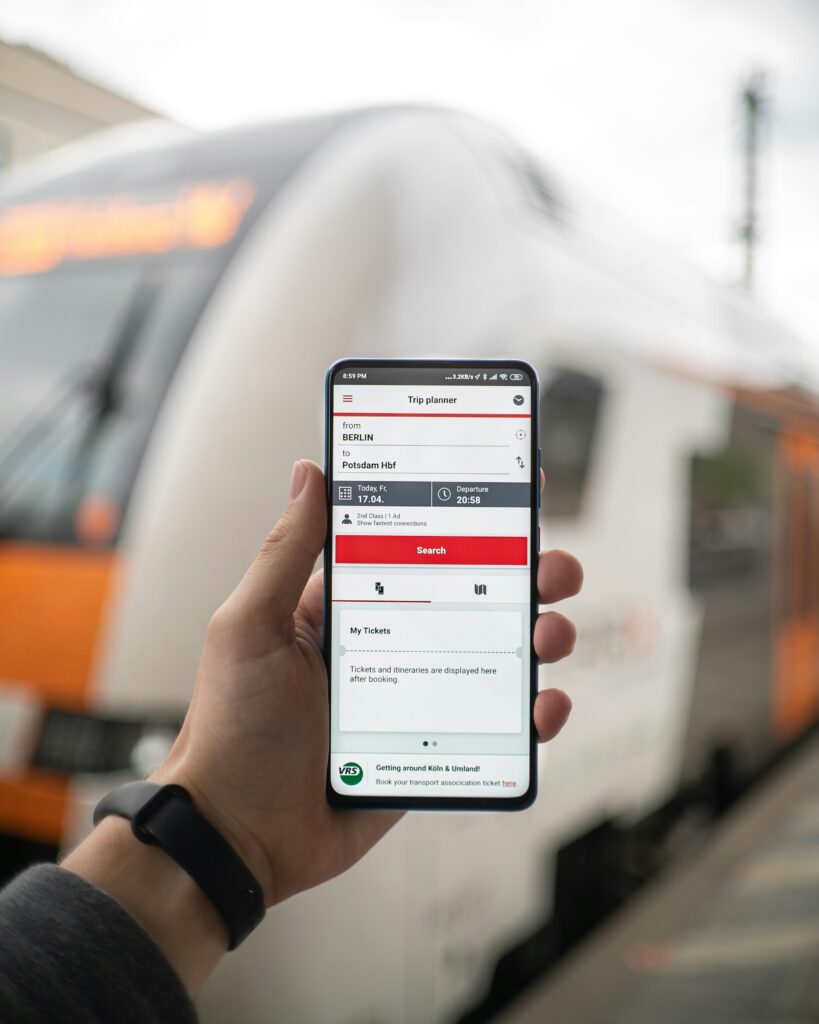
You can activate your Railpass through the Eurail mobile app or at a railway station. From there:
- Search your route.
- Reserve a seat if needed.
- Add the trip to your pass.
- Show the QR code on your phone when the conductor checks.
🚨 Important: Some high-speed and international trains (like TGV, Eurostar, or AVE) require seat reservations, which come with a small fee.
🏞️ Scenic Routes You Shouldn’t Miss
Here are some of the most beautiful train journeys in Europe:
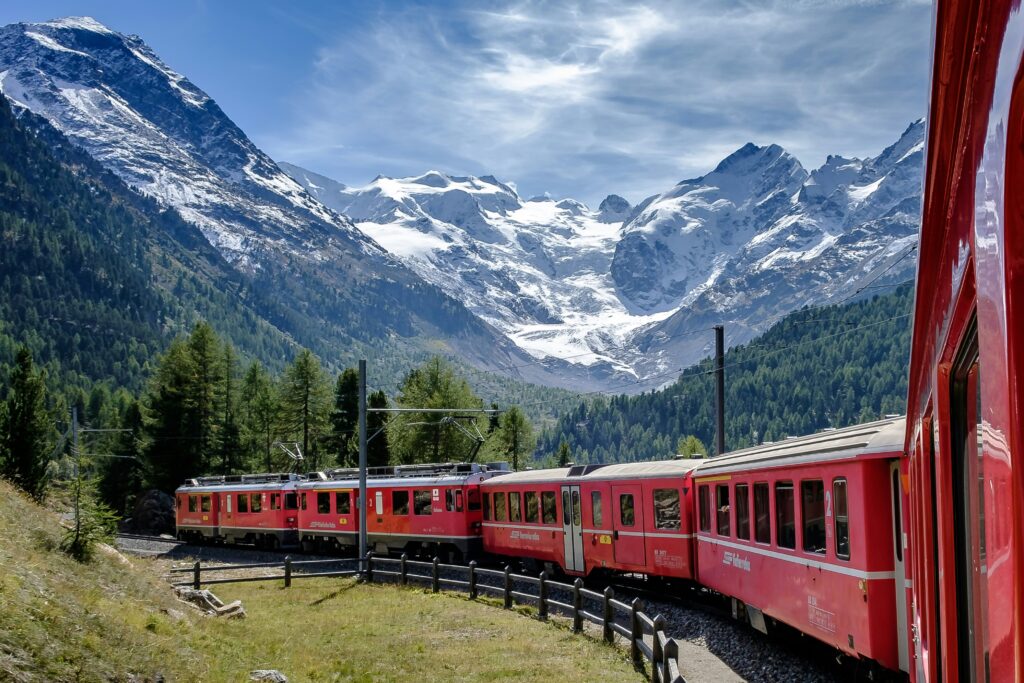
- Bernina Express (Switzerland to Italy): Snowy Alps and turquoise lakes.
- Cinque Terre Line (Italy): Hugging the Ligurian coastline.
- Inlandsbanan (Sweden): Into the wild Arctic landscapes.
- Rhine Valley (Germany): Castles, vineyards, and river views.
This slower way of moving through landscapes often reveals cultural details that are easy to miss, something also reflected in journeys through Europe’s historic wine regions.
🛏️ Sleeping on Trains: What You Need to Know
Overnight trains save both time and money. Options range from basic reclining seats to private cabins with beds.
- Nightjet (Austria): Connects Vienna, Munich, Milan, Venice, and more.
- Intercités de Nuit (France): Budget-friendly sleeper cars.
- Trenhotel (Spain): Comfortable long-haul overnight routes.
✅ Tip: Always bring earplugs, a neck pillow, and snacks!
💡 Expert Tips for First-Time Railpass Users
- Download Rail Planner and DB Navigator for schedules and real-time updates.
- Some countries (like Switzerland) have free scenic lines included.
- Trains are often punctual—arrive early!
- Don’t forget to validate (stamp) your physical pass at the first station.
🧳 Sample Itinerary: 7 Days, 5 Countries
Here’s a whirlwind yet relaxing itinerary using a 7-day Global Pass:
- Day 1: Paris → Brussels (Thalys)
- Day 2: Brussels → Amsterdam
- Day 3–4: Amsterdam → Berlin
- Day 5: Berlin → Prague (via Dresden)
- Day 6–7: Prague → Vienna → Budapest
Day 1: Paris → Brussels (via Thalys)
Kick off your adventure in the City of Light, where you can savor a quick croissant and coffee at a sidewalk café before hopping on the high-speed Thalys train. Covering the 1.5-hour journey in comfort, you’ll glide from Paris’ romantic boulevards to Brussels, Belgium’s charming capital. Spend the afternoon wandering the cobblestone streets of the Grand Place, admiring its gilded Gothic architecture, hunting for the famous Manneken Pis statue, and indulging in rich Belgian chocolates or crispy frites—all while soaking in the city’s laid-back, multicultural vibe.
Day 2: Brussels → Amsterdam
Board a smooth intercity train for the 1.5-hour trip to Amsterdam, a city of canals, bicycles, and endless charm. Upon arrival, drop your bags and dive into the city’s magic: stroll along tree-lined canals dotted with houseboats, visit world-class museums like the Van Gogh Museum (if time allows), or simply wander the Jordaan neighborhood’s boutique shops and cozy brown cafés. End the day with a sunset canal cruise to see the city’s historic gabled houses glow in the golden light—pure relaxation amid the bustle.
Day 3–4: Amsterdam → Berlin
Take a 4-hour train ride east to Berlin, a city where history and creativity collide. Spend two full days exploring at your own pace: walk along the Berlin Wall Memorial, marvel at the iconic Brandenburg Gate, wander the vibrant streets of Kreuzberg (filled with street art and global cuisine), or visit the DDR Museum for a nostalgic dive into Cold War-era life. Berlin’s laid-back energy means you can pack in sights without feeling rushed—grab a currywurst from a street vendor, relax in Tiergarten Park, or enjoy a evening drink at a rooftop bar with skyline views.
Day 5: Berlin → Prague (via Dresden, optional detour)
Embark on a scenic 4.5-hour train journey to Prague, with the option to add a quick detour to Dresden (a 2-hour stop) if you’re craving more culture. Dresden’s baroque architecture, including the stunning Frauenkirche, is worth a quick stroll before continuing to Prague. Upon arriving in the “City of a Hundred Spires,” check into your accommodation and spend the evening wandering Prague’s fairy-tale Old Town Square—home to the Astronomical Clock—and crossing the Charles Bridge as twilight falls, with its statues and panoramic views of the Vltava River.
Day 6–7: Prague → Vienna → Budapest
On Day 6, take a 4-hour train to Vienna, Austria’s elegant imperial capital. Immerse yourself in Habsburg grandeur: visit Schönbrunn Palace’s sprawling gardens, listen to a classical music concert (a nod to Mozart and Beethoven), or sip coffee in a historic café like Café Central. The next day, hop on a 2.5-hour train to Budapest, the final stop on your journey. Spend your last day exploring this dual-city gem: soak in a thermal bath (a Budapest tradition), walk along the Danube Promenade with views of Buda Castle, and wander the lively streets of Pest, filled with ruin bars and Hungarian cuisine (don’t miss gulyás soup and chimney cake).
🚆 Love the route but want to slow down? Swap the Global Pass for a Flex Pass! This flexible option lets you stretch the itinerary to 10–14 days, adding extra time in your favorite cities—whether that’s lingering in Amsterdam’s canals, exploring more of Berlin’s street art, or savoring Vienna’s coffee culture at a leisurely pace. No matter how you choose to travel, this rail itinerary blends efficiency with relaxation, letting you experience Europe’s cultural gems without the hassle of flights or rental cars.
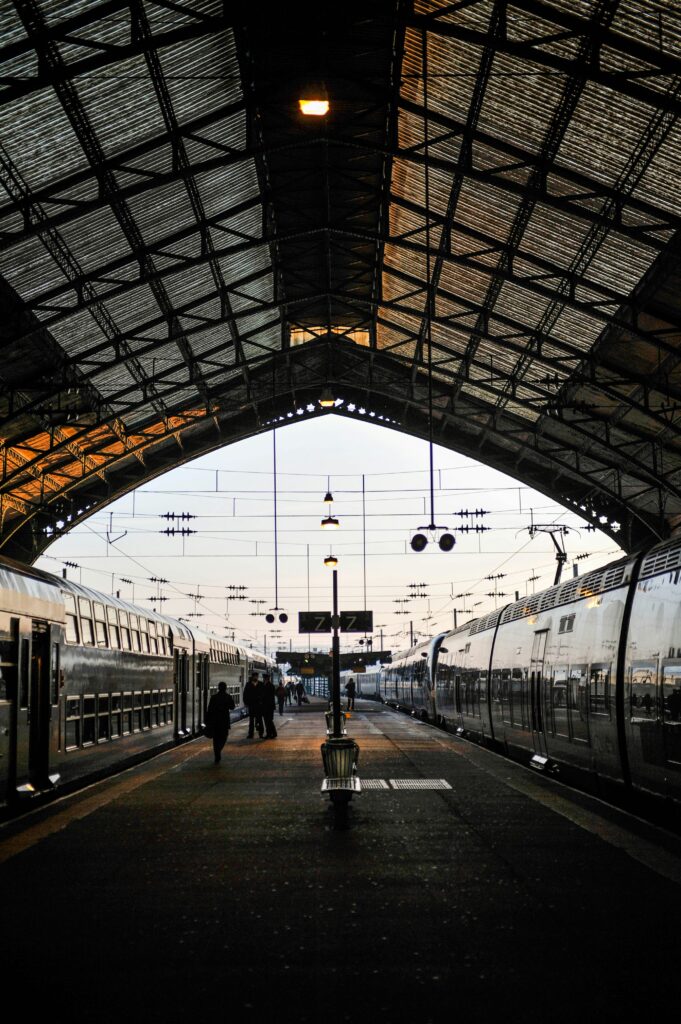
✨ Conclusion: Why Train Travel is the Soul of Europe
Whether you’re gazing out at lavender fields in Provence or zipping under the English Channel, rail travel in Europe is more than transport—it’s the experience itself. A Railpass unlocks not just convenience, but the freedom to chase the unexpected: missed connections turn into new adventures, and every window becomes a moving painting. For wanderers, romantics, and practical planners alike, Europe by train is unforgettable.