The Sichuan-Tibet Highway (G318) is not just a road—it’s a raw, untamed emotional rollercoaster. Spanning over 2,000 kilometers from Chengdu to Lhasa, this high-altitude drive slices through emerald valleys, snow-draped mountains, landslide-prone cliffs, and deeply spiritual towns. It is a trip that will test your physical stamina, mental limits, and soul—while rewarding you with the most unforgettable landscapes on Earth.
Internal Link: How to Pack for a Day of Exploring → Travel Tips & Advice
Day 1–2: Chengdu to Kangding – Gateway to the West
Leaving the comforts of Chengdu, the road ascends rapidly toward Kangding, a small town perched at 2,500 meters. Known for its Tibetan culture, prayer flags, and mountain winds, Kangding marks the emotional farewell to modern China and the entry into the wilderness.
- Muya Monastery
- Zheduo Mountain Pass (4,200m)
Internal Link: 5 Must-Try Dishes Across Asia → Cultural Bites & Local Cuisine
Day 3–4: Into the Thin Air – Kangding to Litang
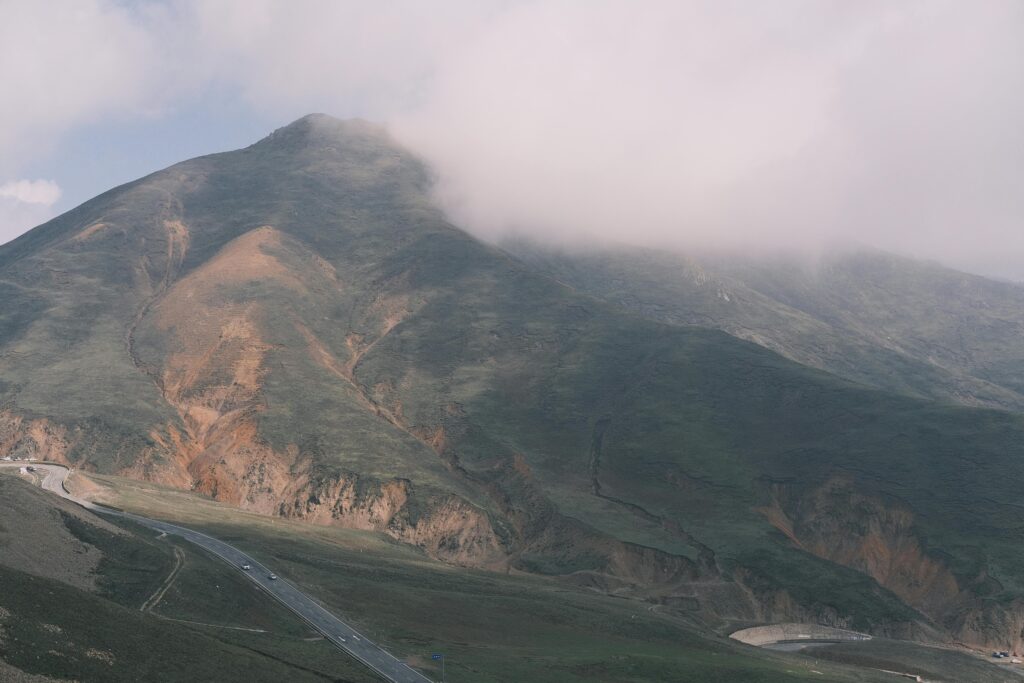
This leg climbs through dizzying altitudes: Garu Mountain (4,294m) and Gaoersi Mountain Pass (4,410m). At this stage, altitude sickness becomes real. You drive through endless meadows dotted with yaks and pass ancient Tibetan villages wrapped in clouds.
Warning:
- Roads are winding, often unpaved
- Temperature swings from 25°C to -5°C in one day
Internal Link: Traveling Asia on a Budget → Before You Go
Day 5–6: Litang – The Wild Roof of the World
Litang is one of the highest towns in the world (over 4,000m). Its spiritual significance is palpable—you’ll see sky burials, white stupas, and monks walking alongside pickup trucks.
- Visit the Litang Monastery
- Respect quiet zones near sky burial grounds
Day 7–8: Batang to Mangkang – Between Rivers and Cliffs
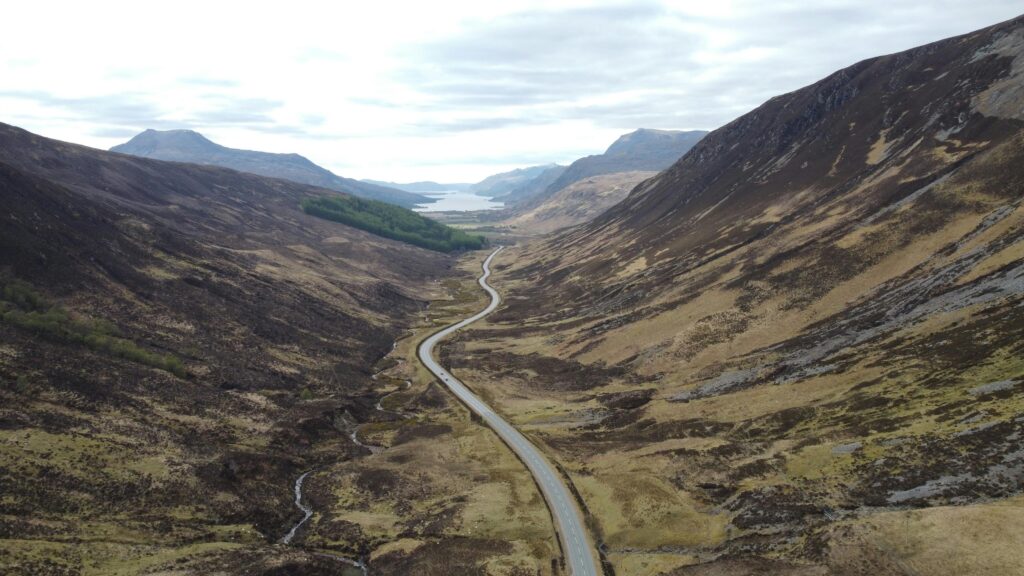
As you drive into Batang, you enter the land of shifting weather and dangerous mountain passes. The road follows the Jinsha River—one wrong turn, and you’re tumbling hundreds of meters below.
Must-See Spot: Batang Hot Springs – Relax under stars at 3,500 meters
Day 9–10: The Devil’s Turn – 72 Bends of Tongmai
The most infamous stretch: Tongmai’s 72 Bends. This snake-like descent curls around loose cliffs, waterfalls, and rockslides. Locals call it the “Road of Ghosts.”
- Start early (before 7 AM)
- Watch for falling rocks
- Do NOT stop for selfies
Day 11–12: Entering Nyingchi – From Hell to Heaven
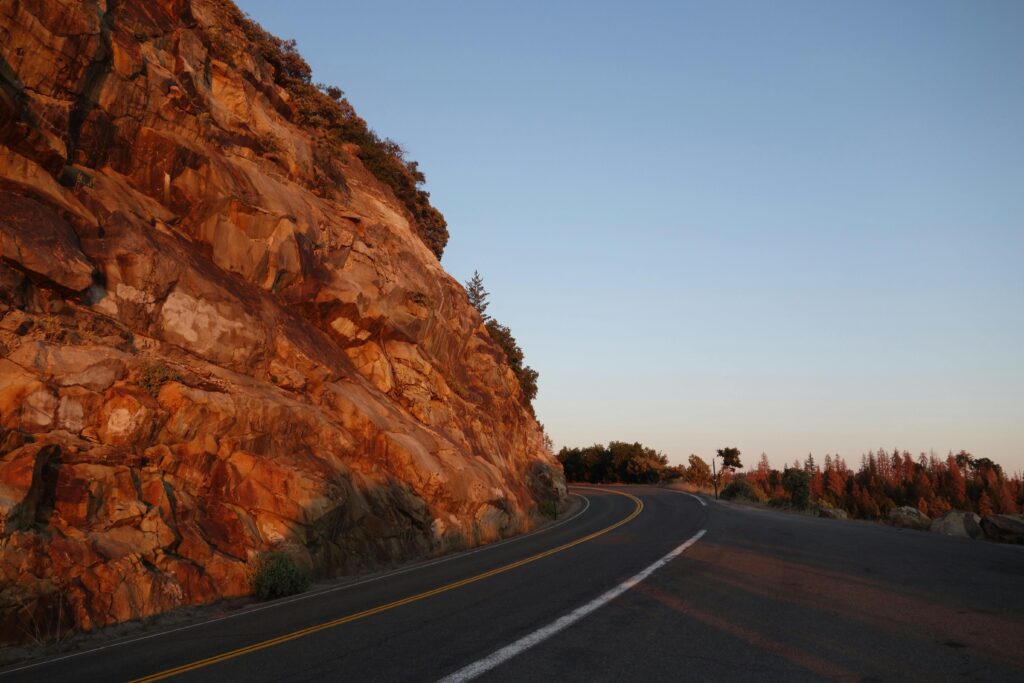
Suddenly, green returns. As you descend into Nyingchi, the dry cliffs give way to lush forests and wild cherry blossoms. Oxygen returns. You feel reborn.
- Camp by Basum Tso Lake
- Visit Lulang Forest (“Switzerland of the East”)
Day 13–14: Arrival in Lhasa – The Holy Finish Line
After two weeks of dust, fear, wonder, and tears—you arrive in Lhasa. The Potala Palace looms above, like a reward granted only to those who earn it.
- Jokhang Temple at sunrise
- Barkhor Street for traditional souvenirs
Internal Link: Explore Kamogawa Beyond the Riverbanks → Travel Inspiration
Final Tips Before You Go
- Best Season: May–October
- Documents Needed: Tibet Travel Permit, Chinese Driver’s License
- Vehicle Prep: 4WD, spare tires, satellite phone
- Mental Prep: This isn’t just a trip. It’s an initiation.
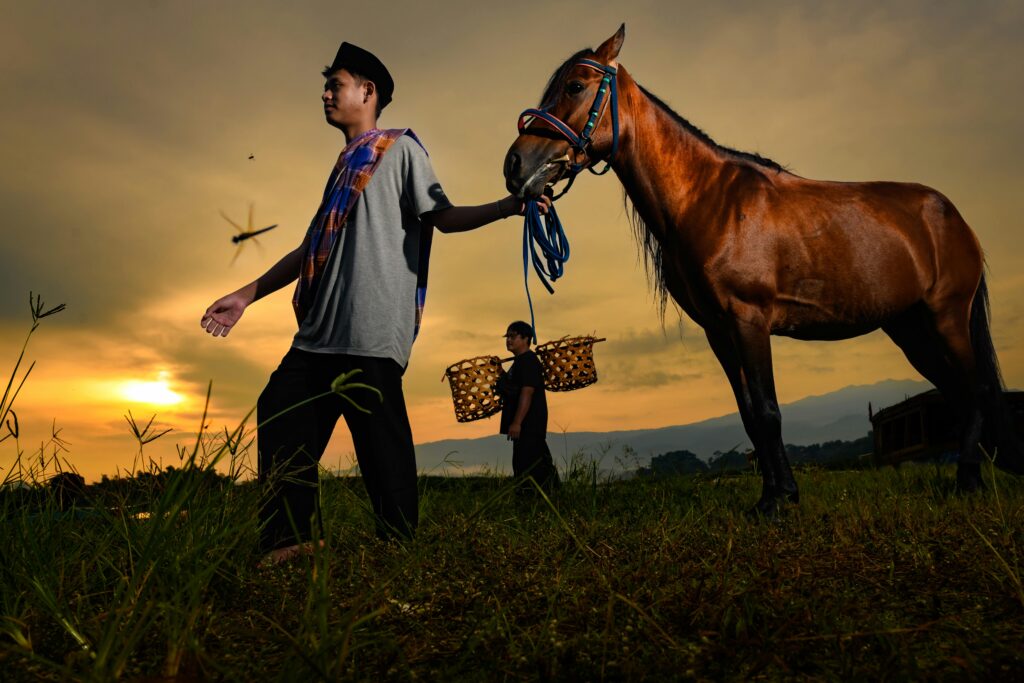
Driving the Sichuan-Tibet Highway—often hailed as “the Road to the Roof of the World”—is far more than a journey through mountains; it’s an intimate, visceral experience of watching your own story unfold across the dramatic, unforgiving, and breathtaking landscapes of the Tibetan Plateau. This legendary route, winding over snow-capped passes, through gorges carved by glacial rivers, and past nomadic tents dotting vast grasslands, doesn’t just take you from point A to point B—it carries you through a spectrum of emotions that redefines what it means to travel. One moment, you’re spellbound by extremes of beauty: jagged peaks of the Himalayas piercing a sky so blue it feels painted, turquoise lakes reflecting clouds like scattered gemstones, and valleys blanketed in wildflowers that bloom defiantly amid harsh terrain. The next, you’re humbled by flickers of terror: navigating hairpin turns along cliff edges with thousand-foot drops, battling sudden blizzards or landslides that can close roads in an instant, or feeling the weight of high altitude as your lungs work harder to breathe.
In between, exhaustion settles in—long stretches of winding roads that test your focus, early mornings and late nights chasing light, and the quiet weariness of acclimating to thin air—but it’s balanced by moments of profound peace that feel almost sacred. Pull over at a remote viewpoint at dusk, and you’ll find yourself alone with the silence: no honking horns, no city buzz, just the wind whispering through prayer flags and the distant bleat of yaks. Gaze up at a sky so clear the stars shine with an intensity you’ve never seen, or sit beside a monastery where monks chant softly, their voices carrying across the plains, and you’ll feel time slow to a gentle crawl. This duality—beauty and terror, exhaustion and peace—alters your sense of distance and time entirely: miles cease to be mere numbers, and hours stretch into moments that feel both fleeting and eternal. The road becomes a metaphor for life itself—unpredictable, challenging, and staggeringly beautiful.
By the time you reach your destination, you’ll realize the journey has transformed you in ways you never expected. The most profound landscapes you encountered weren’t just the snow-capped mountains or crystal-clear lakes outside your window—they were the ones within yourself. You’ll discover a resilience you didn’t know you had, a willingness to embrace uncertainty, and a deeper appreciation for the quiet moments of calm amid chaos. The Sichuan-Tibet Highway doesn’t just show you the world; it reveals parts of yourself you might never have found in the comfort of familiarity. It’s a journey that stays with you long after the tires stop rolling—a reminder that some of life’s most meaningful adventures aren’t about the places you go, but about the person you become along the way.