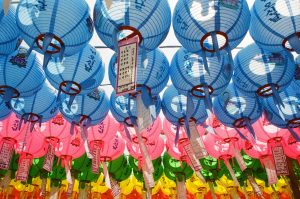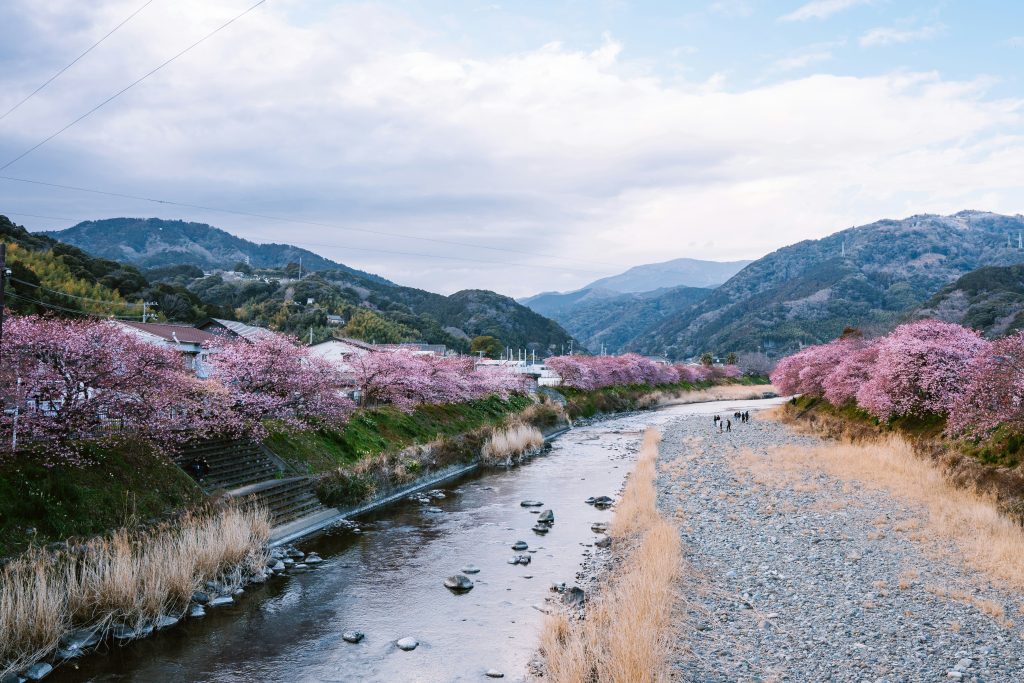
Introduction: A City Painted by Time and Nature
Kyoto is often described as the soul of Japan—a place where the past is not preserved in museums but lives quietly in the rhythm of daily life. Once the imperial capital for over 1,000 years, Kyoto remains a sanctuary of temples, gardens, tea houses, and wooden streets that whisper stories of centuries gone by.
Yet beyond its historical landmarks, Kyoto’s true magic lies in its changing seasons. Spring blossoms, summer festivals, autumn foliage, and winter snows transform the city into an ever-evolving work of art. To travel through Kyoto is to witness the intimate dance between nature, culture, and time.
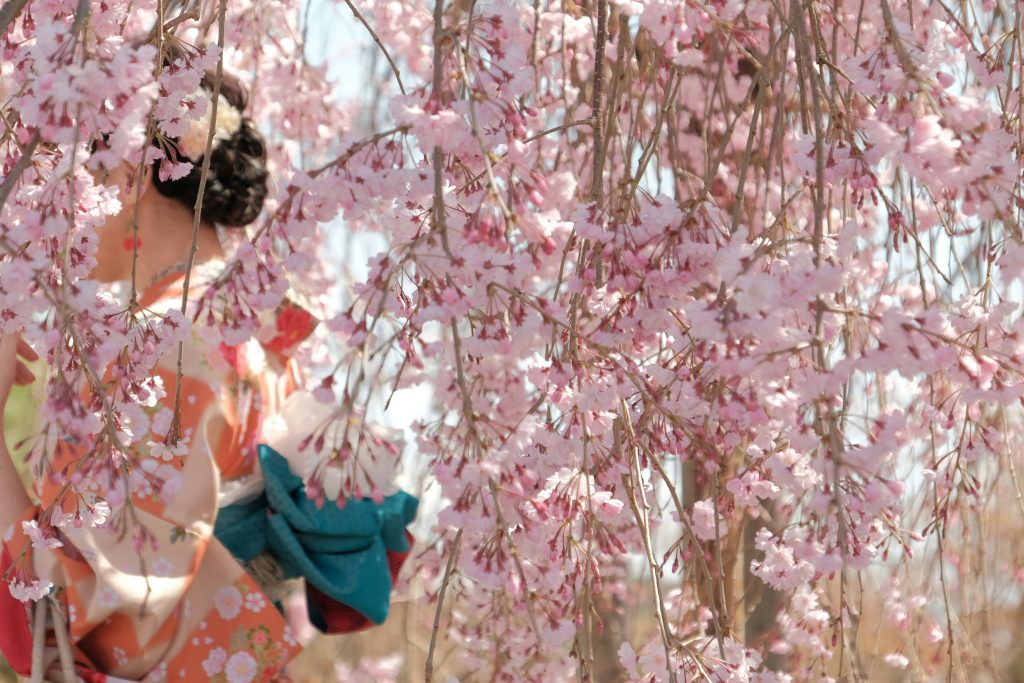
Spring in Kyoto — Blossoms of Renewal 🌸
Spring is when Kyoto reveals its most iconic beauty. As the city becomes awash in soft pink and white hues, cherry blossoms flutter through the air like drifting snowflakes. This fleeting season—symbolic of renewal and impermanence—captures the essence of Japanese aesthetics.
Where to Experience Kyoto’s Spring Magic:
- Philosopher’s Path:
A gentle stone walkway lined with hundreds of cherry trees, offering a peaceful stroll along a canal. Petals cascade onto the water, creating a picture-perfect scene. - Kiyomizu-dera Temple:
The temple’s wooden terrace overlooks a valley filled with blooming sakura, providing one of Kyoto’s most breathtaking spring panoramas. - Maruyama Park:
Famous for its illuminated weeping cherry tree, transforming the park into a dreamlike world at night.
Spring in Kyoto is gentle, poetic, and profoundly moving—an invitation to slow down, breathe deeply, and appreciate the beauty of the moment.
Summer in Kyoto — Festivals, Fire, and Forest Shade ☀️
Summer brings a vibrant shift in Kyoto’s atmosphere. The heat rises, cicadas sing loudly from the treetops, and the city bursts with festivals and cultural energy.
Gion Matsuri — Kyoto’s Grand Summer Festival
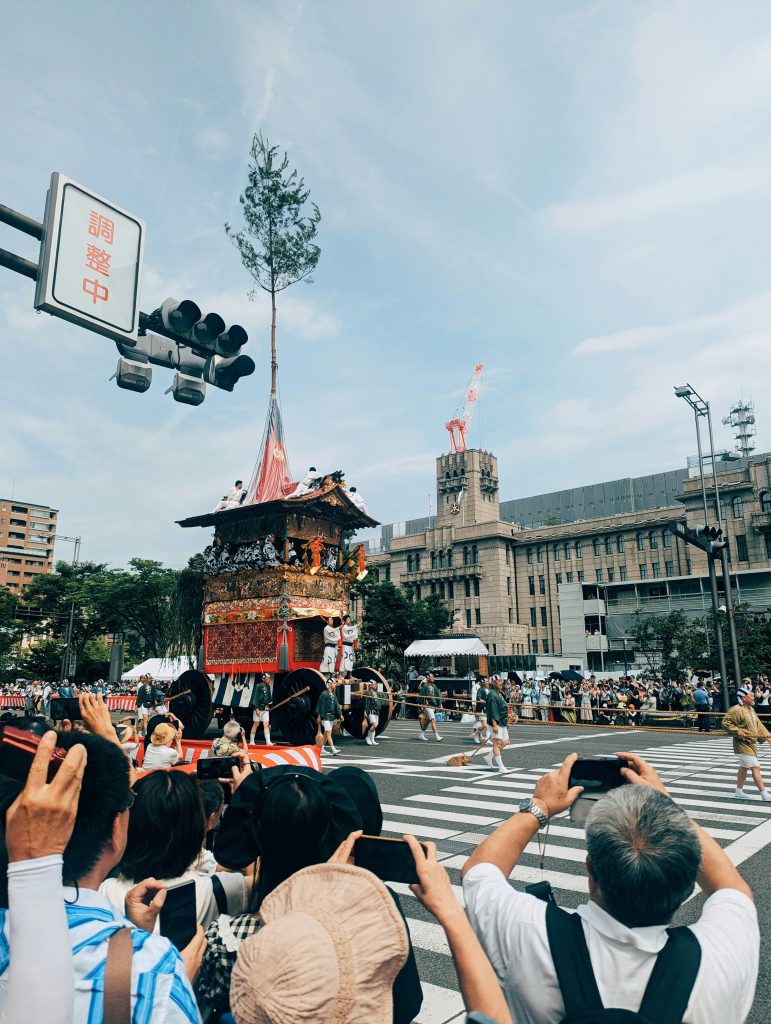
Held every July for more than 1,100 years, Gion Matsuri is one of Japan’s most celebrated festivals.
- Towering wooden floats parade through the streets
- Locals dress in colorful yukata
- Traditional musicians perform lively rhythms
- Night markets fill the air with food, laughter, and lantern light
This festival embodies Kyoto’s enduring traditions and community spirit.
Summer Escapes into Nature
- Arashiyama Bamboo Grove:
Sunlight filters through towering bamboo, creating a cool, ethereal atmosphere despite the summer heat. - Kibune and Kurama:
Mountain villages where you can dine on platforms built over flowing rivers—nature’s own air-conditioning.
Summer in Kyoto is lively and energetic, yet always balanced by the soothing presence of nature.
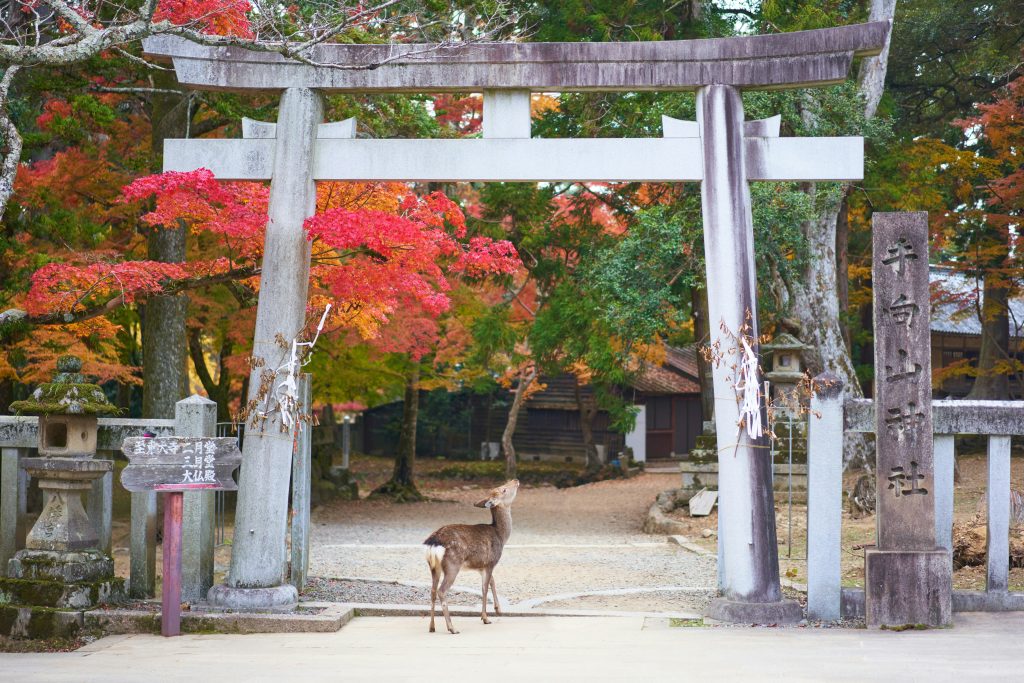
Autumn in Kyoto — A Symphony of Red and Gold 🍁
Autumn is arguably Kyoto’s most enchanting season. As maples, ginkgos, and mountainsides blaze into shades of red, orange, and gold, the entire city becomes a living painting.
Top Autumn Viewing Spots:
- Eikando Temple:
Considered Kyoto’s finest place for autumn foliage. Its illuminated gardens create a magical evening experience. - Tofuku-ji Temple:
Famous for its bridge overlooking a valley of fiery red maples—a breathtaking sight during peak season. - Kodai-ji Temple:
Nighttime light-ups reflect vibrant leaves onto serene ponds, creating a surreal mirror-world.
Kyoto’s autumn evokes a deep sense of warmth, nostalgia, and reflection. It is beauty at its most dramatic and poetic.
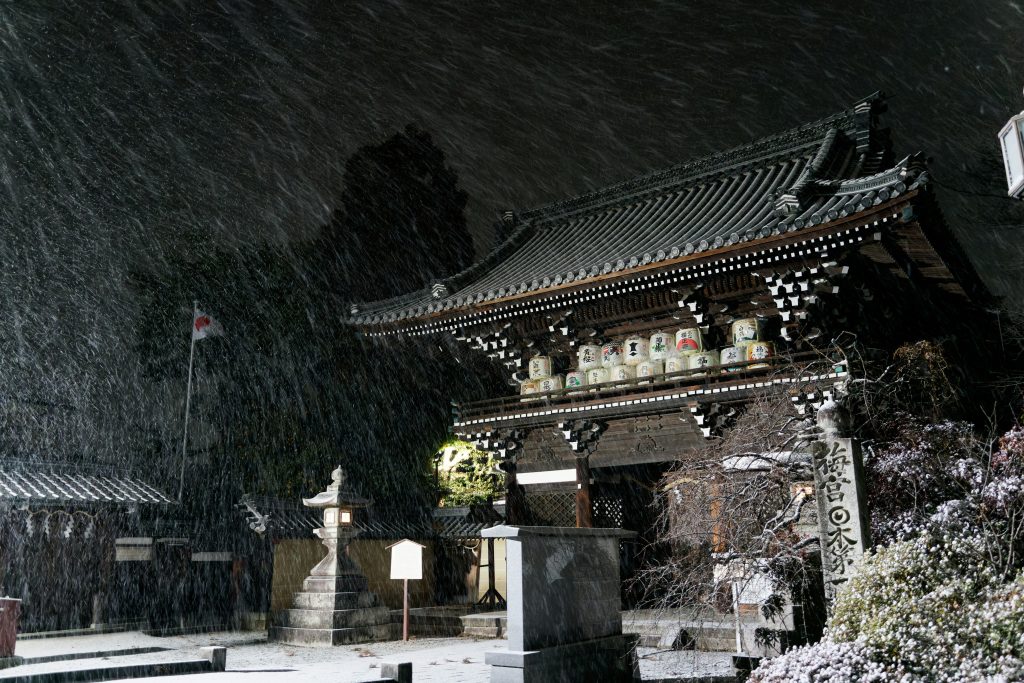
Winter in Kyoto — Snow-Dusted Tranquility ❄️
Winter brings a different kind of charm—quiet, contemplative, and deeply serene. Snow transforms the temples, shrines, and gardens into a monochromatic dreamscape, reminiscent of traditional ink paintings.
Winter Highlights:
- Kinkaku-ji (Golden Pavilion):
Perhaps the most magical winter sight—its golden exterior shimmering against pure white snow. - Fushimi Inari Shrine:
The thousands of red torii gates take on a mystical presence when dusted with snow. - Seasonal Comforts:
Warm tofu dishes, matcha tea, and hearty hot pots offer comforting nourishment during the cold months.
With crowds thinning and silence settling into temple courtyards, winter reveals Kyoto’s spiritual heart more clearly than any other season.
Seasonal awareness plays a vital role in shaping daily life, a theme that also appears in reflections on how landscapes influence culture across the world.
Temples, Shrines, and Kyoto’s Spiritual Heritage
With more than 2,000 temples and shrines, Kyoto remains Japan’s spiritual capital. Each site reflects a particular philosophy, aesthetic, or moment in history.
Iconic Spiritual Sites:
- Fushimi Inari Taisha:
A shrine dedicated to prosperity, famous for its endless tunnel of red torii gates. - Ryoan-ji:
Home to Japan’s most famous Zen rock garden, encouraging contemplation and simplicity. - Ginkaku-ji (Silver Pavilion):
A model of understated elegance and harmony with nature.
These sacred spaces embody Japan’s appreciation for silence, balance, and impermanence—philosophies that Kyoto has preserved for centuries.
Geisha, Kimono, and the Artistry of Tradition
Kyoto is also the birthplace of Japan’s refined cultural arts.
Gion District — The Heart of Geisha Culture
In the narrow lantern-lit streets of Gion, you may catch a glimpse of:
- Maiko (apprentice geisha) in vibrant kimono
- Geiko (geisha) heading to evening banquets
- Traditional teahouses with sliding wooden doors
Their world is one of elegance, discipline, and expertise in music, dance, and conversation—a cultural treasure that Kyoto continues to protect.
Traditional Crafts of Kyoto
- Tea ceremony (sado)
- Flower arrangement (ikebana)
- Kyo-yuzen dyeing
- Ceramics and lacquerware
Kyoto’s artistry reflects a philosophy of mindfulness, precision, and deep respect for materials and tradition.
Practical Travel Tips for Kyoto
- Best Seasons: Spring (March–April) and Autumn (October–November)
- Getting Around: Public buses, JR trains, and walking are easiest
- Where to Stay:
- Gion for cultural immersion
- Kyoto Station for convenience
- Arashiyama for nature
- Cultural Etiquette:
- Remain quiet in temples
- Avoid taking intrusive photos of geisha
- Do not eat while walking
Conclusion: A Timeless Dance of Nature and Culture
Kyoto is not just a destination—it is an experience woven from centuries of tradition and the poetry of changing seasons.
Its beauty is gentle yet powerful, understated yet profound.
In spring, it whispers.
In summer, it celebrates.
In autumn, it dazzles.
In winter, it meditates.
To visit Kyoto is to witness a city that lives in harmony with nature, honors its past, and invites every traveler to slow down and find serenity. Kyoto’s seasons tell a story—a story of life, time, and the quiet beauty that binds them.